
Someone walked up to our booth at Cherry Blossom Arcade on Saturday, played Aurora Sol for a few minutes, turned to me and said: “Take my money.”
If you know the Futurama meme, Fry slamming his wallet at the screen, that’s exactly what it felt like. And honestly, that one moment told me more about where Aurora Sol stands than months of internal testing ever could.
What Cherry Blossom Arcade Was
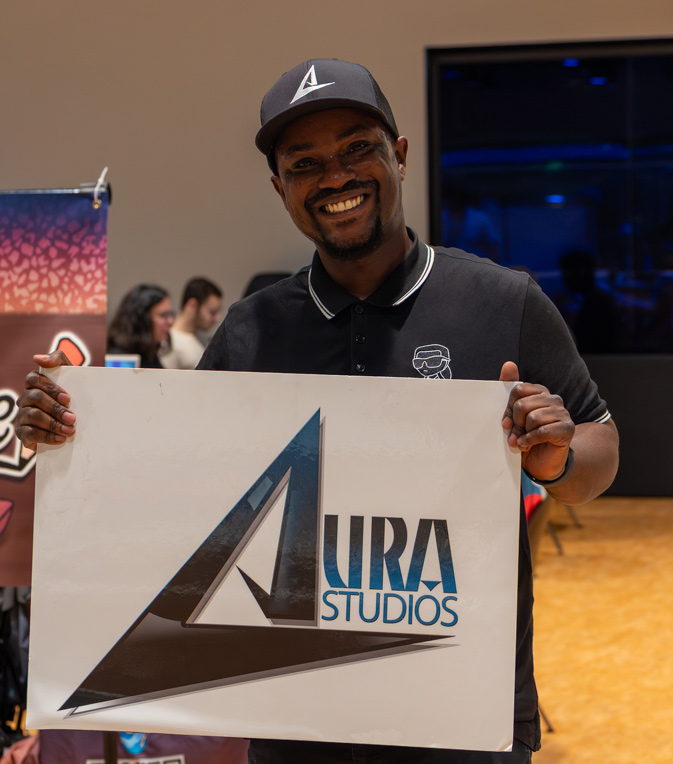
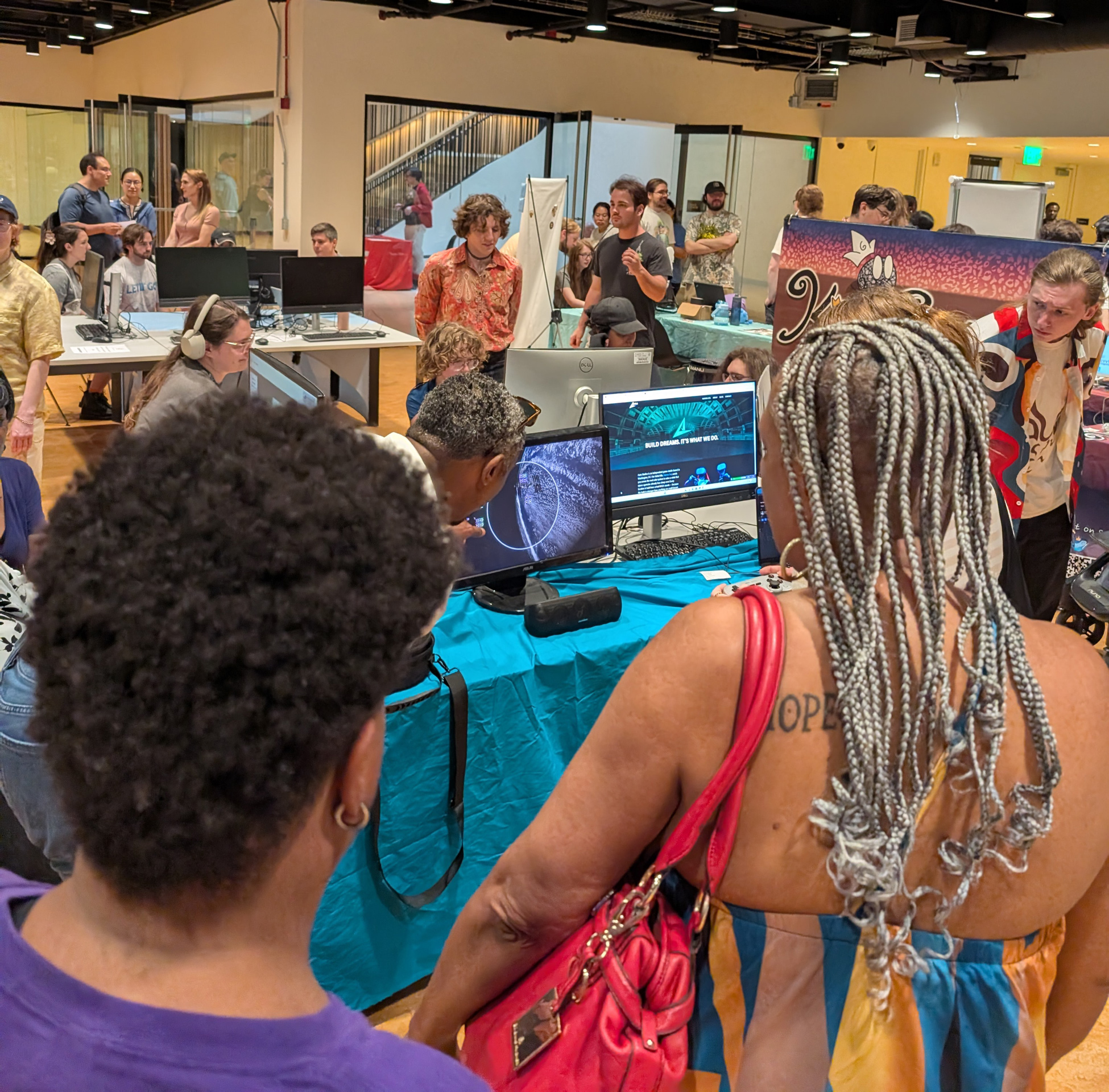
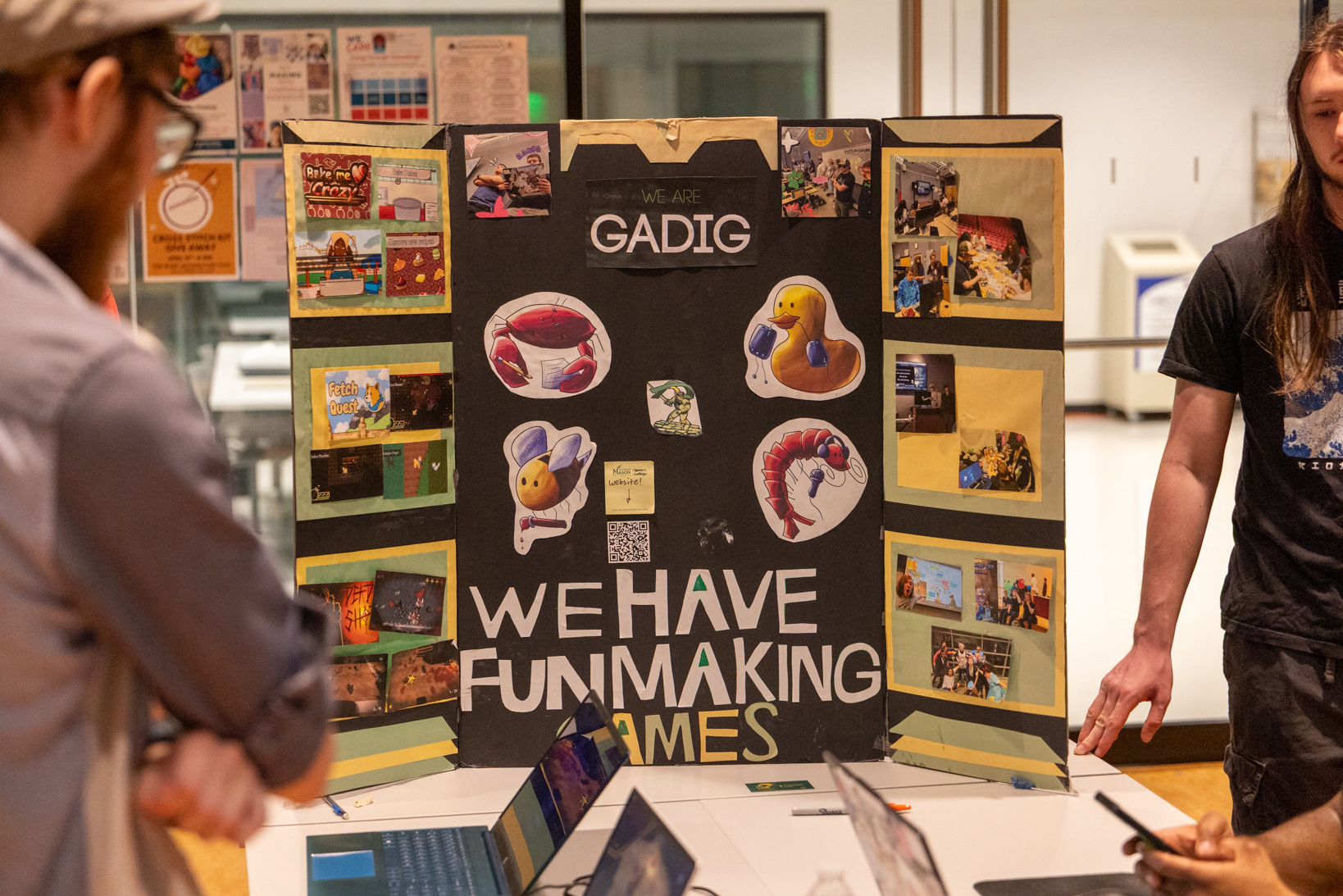
Cherry Blossom Arcade is an annual indie game showcase hosted by IGDA DC at MLK Library in Washington DC. Local developers bring their games, the DC gaming community shows up, and for a few hours the basement of a public library becomes one of the best places in the city to be if you love games.
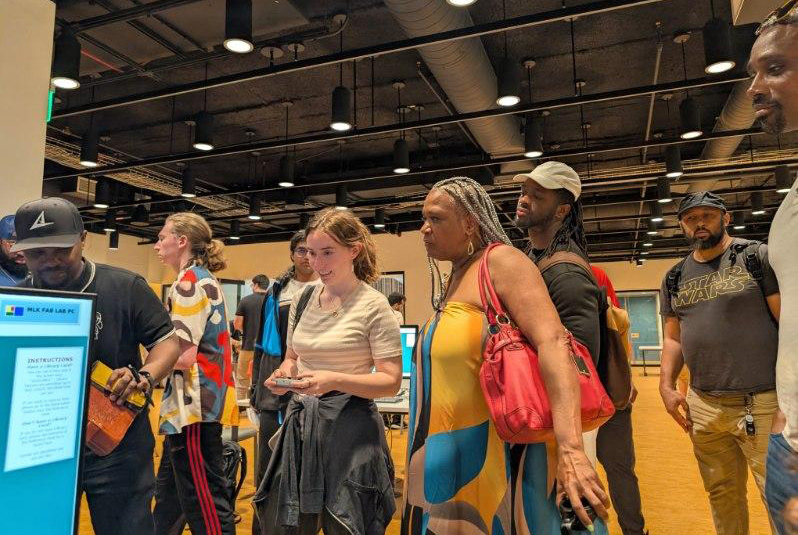
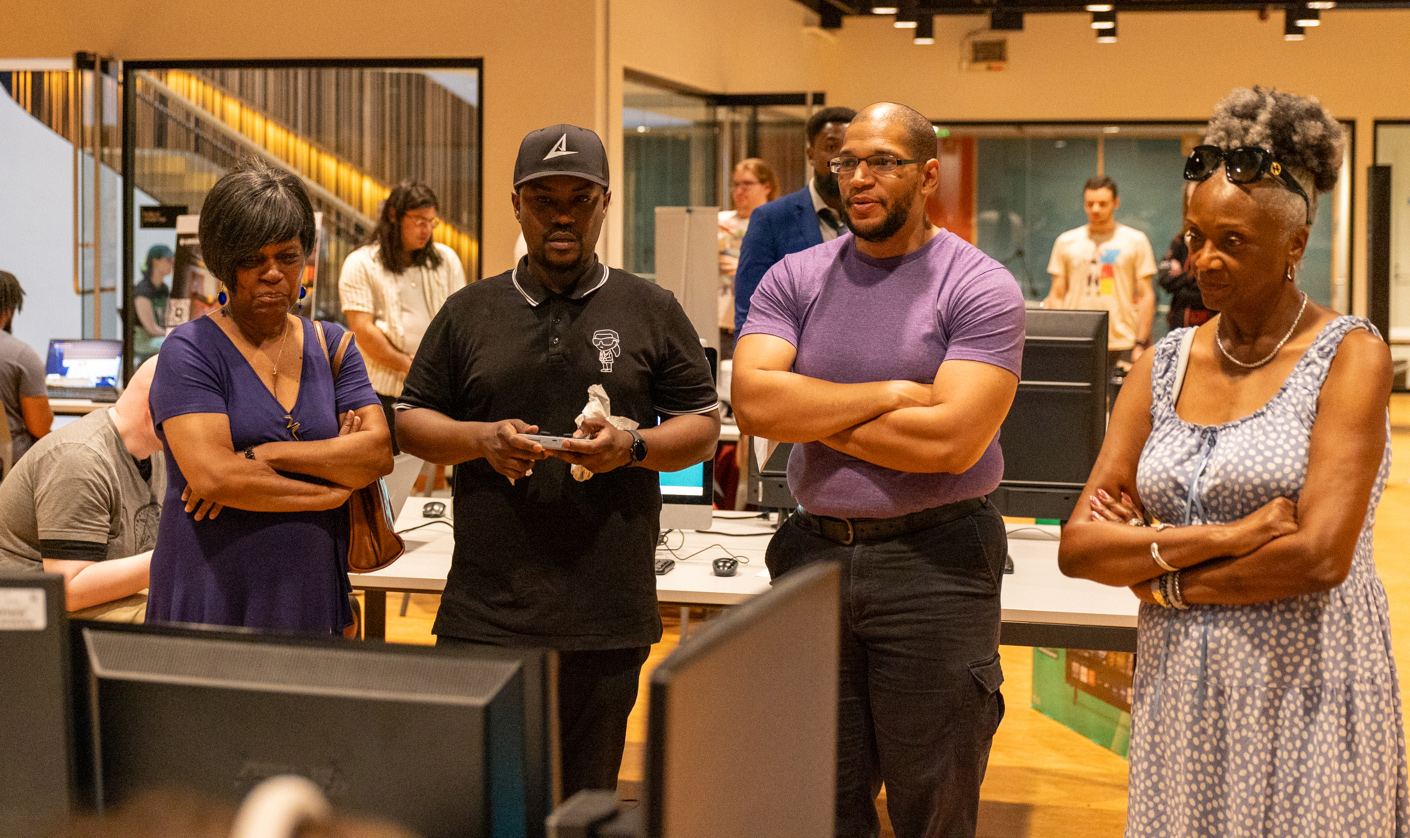
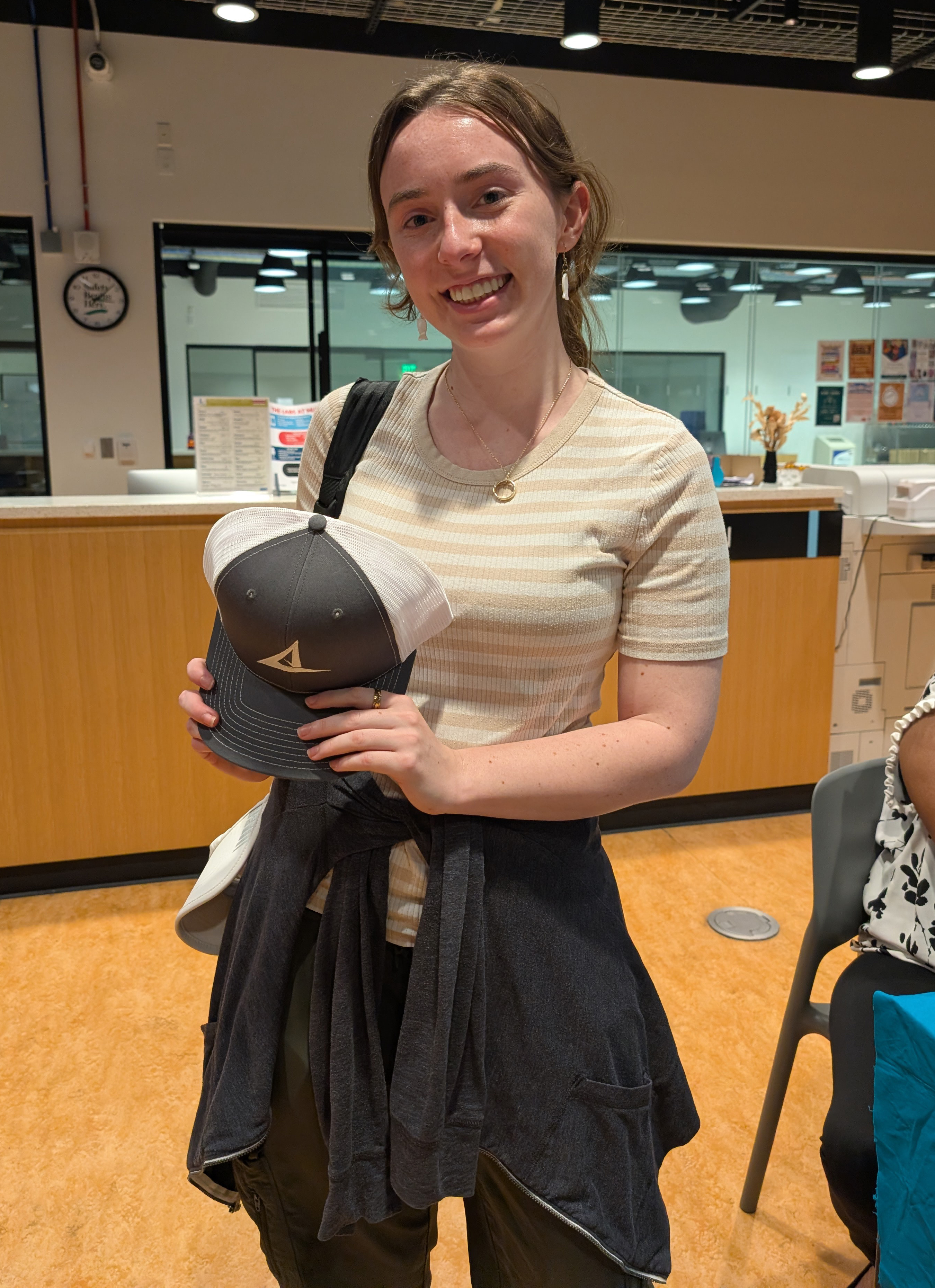
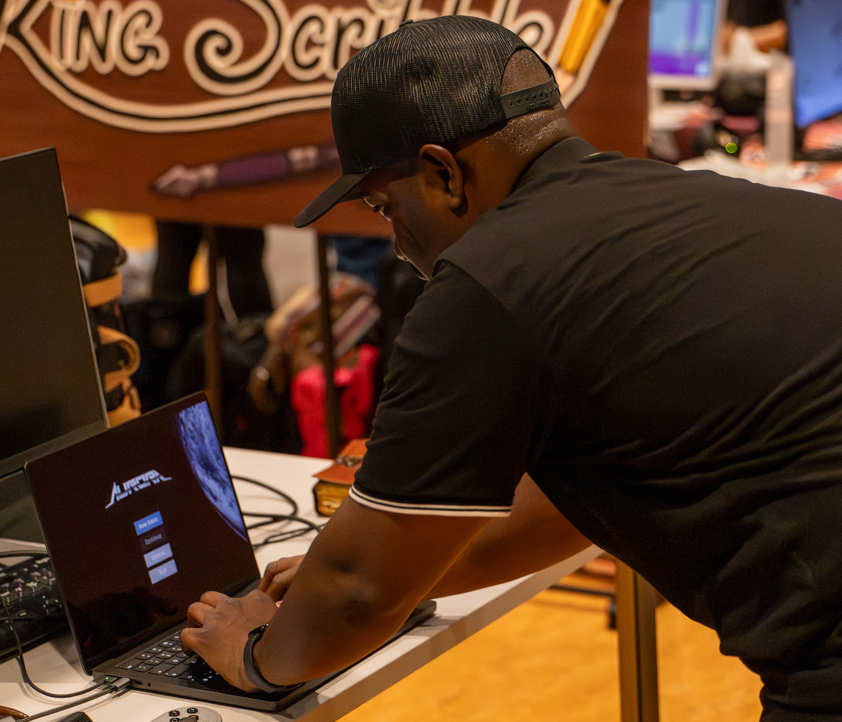
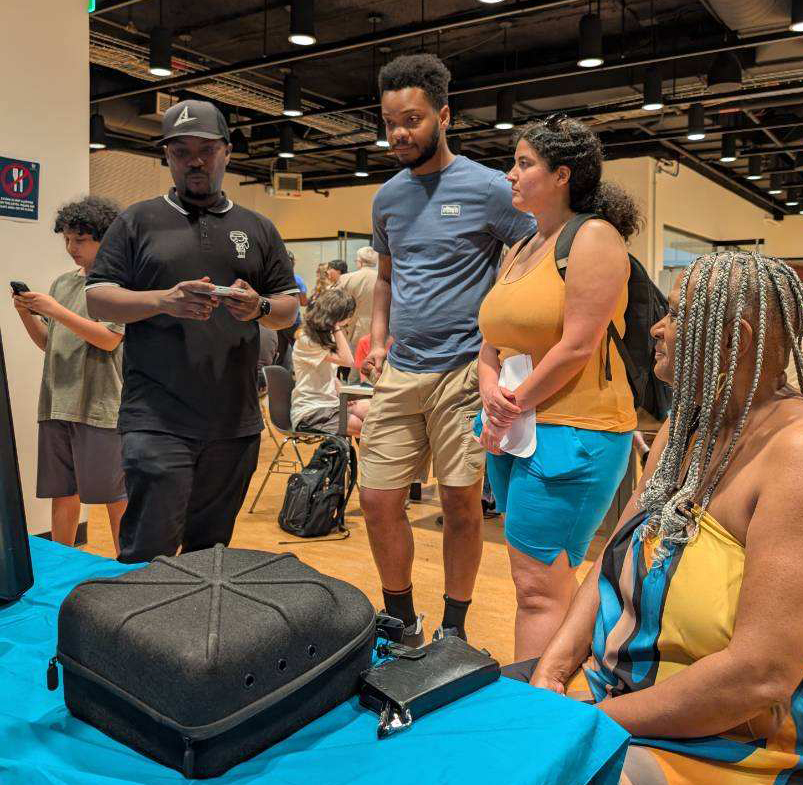
Aura Studios brought Aurora Sol for its first public showing. No trailer. No screenshots on a monitor. A playable demo, a controller, and a booth that stayed busy from the moment doors opened at 1 PM until we packed up.
The Traffic Never Stopped
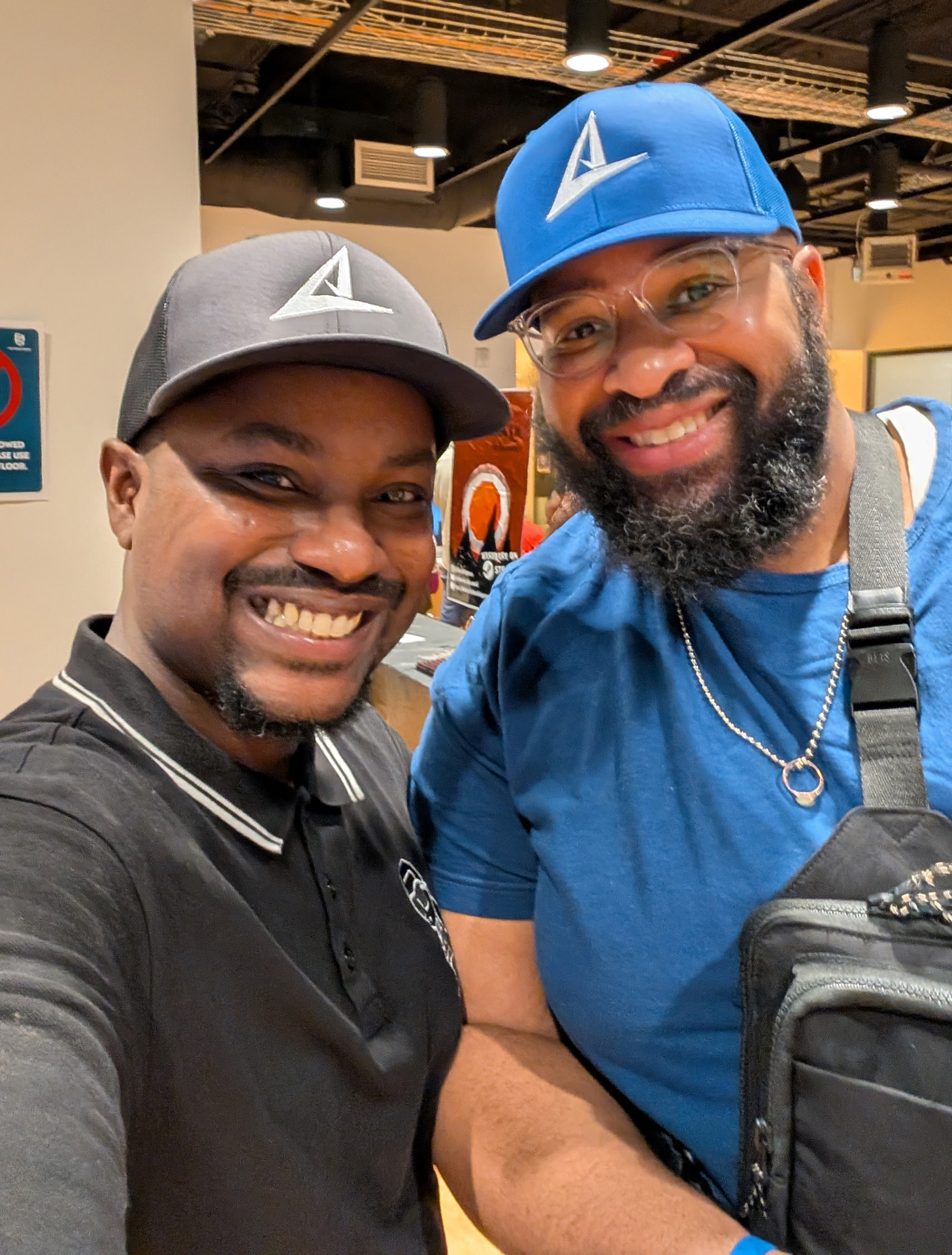
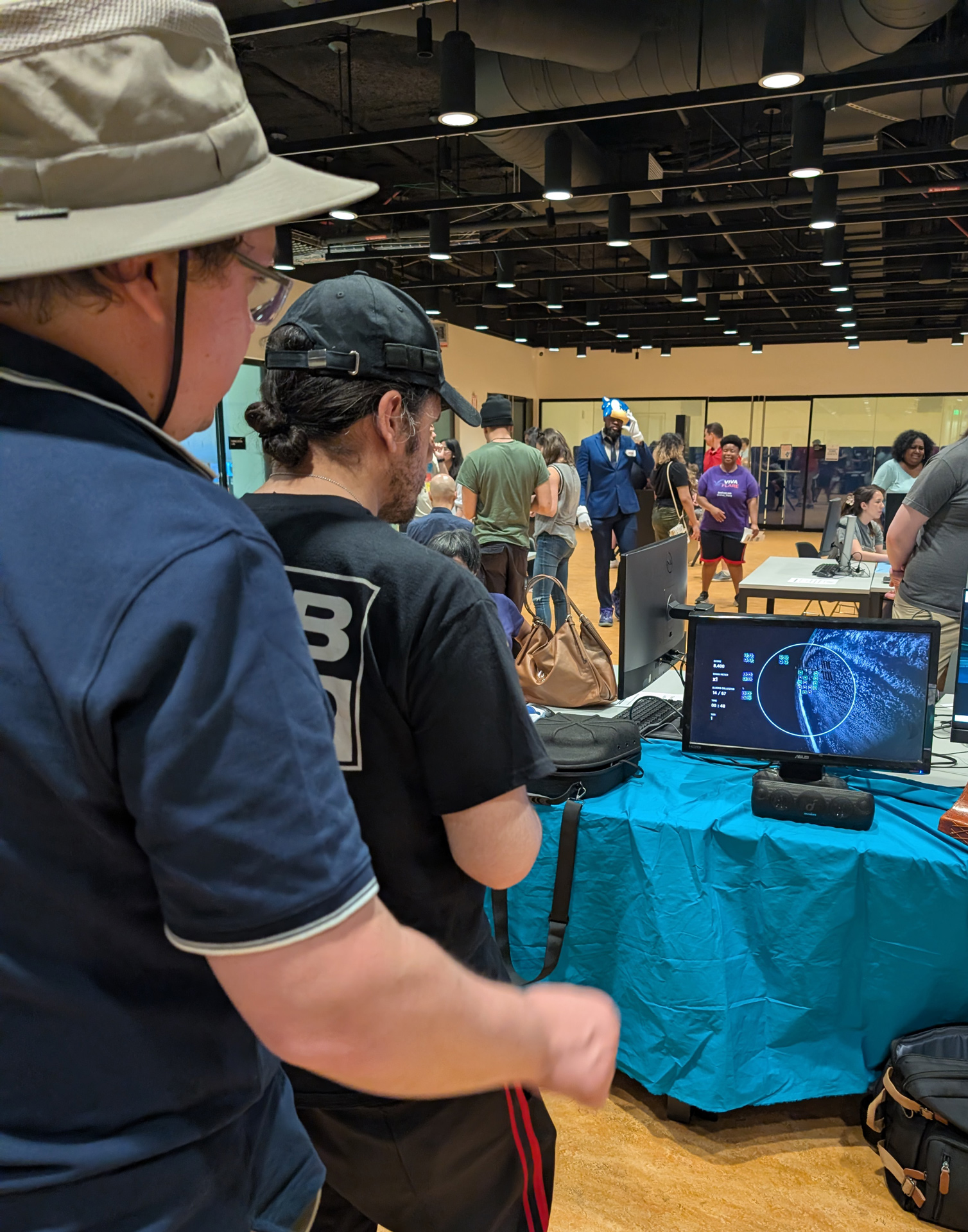
I expected gaps. And I planned to use them to make minor tweaks to the build in real time. That never happened. Between 10 and 15 people played across the afternoon. A steady, consistent stream that left no room for adjustments.
That taught me something important: whatever state your game is in before an event, that’s the game people are playing. Whatever issues exist, you either live with them or learn to dance around them. There is no fixing things mid-demo.
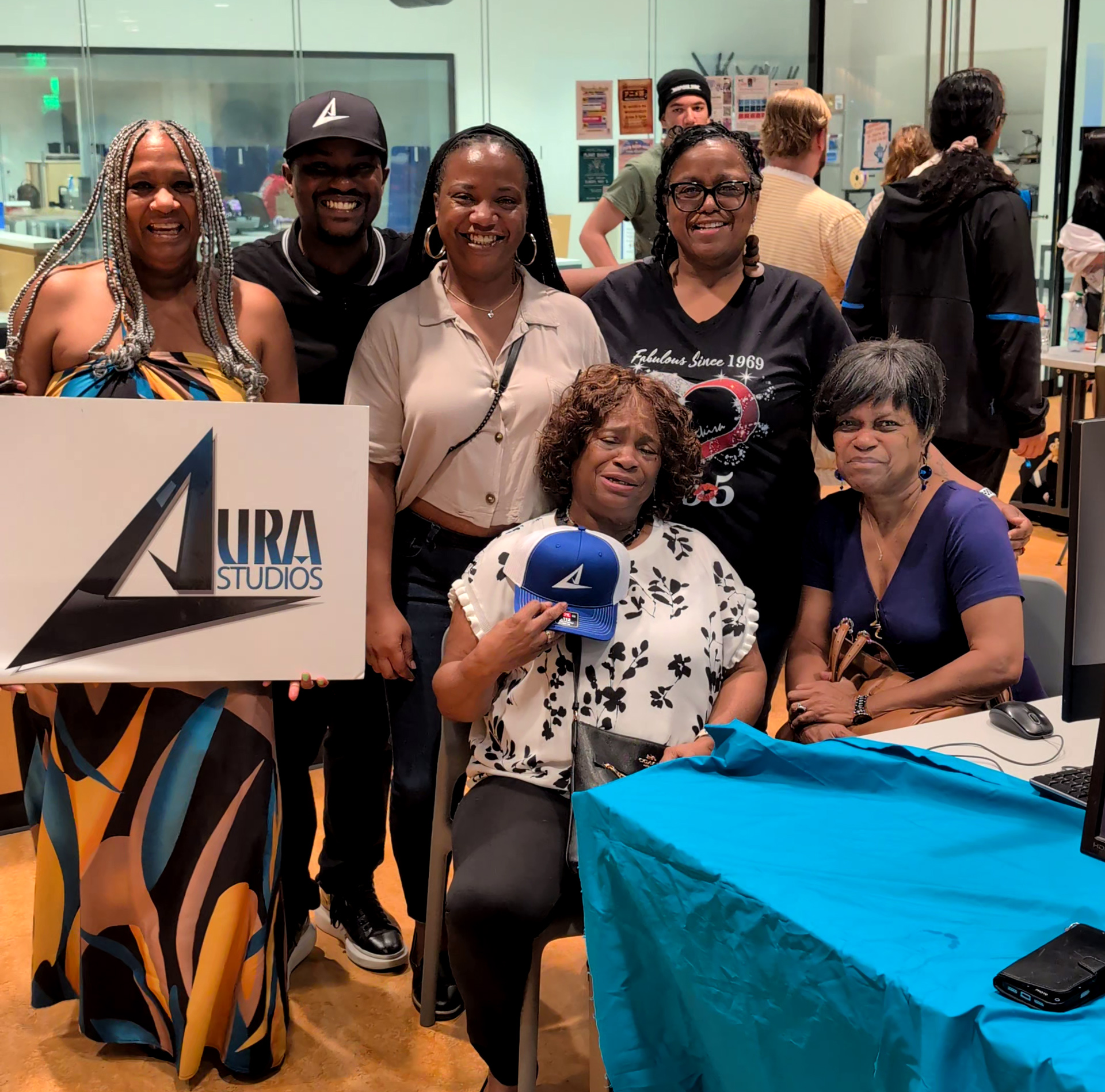
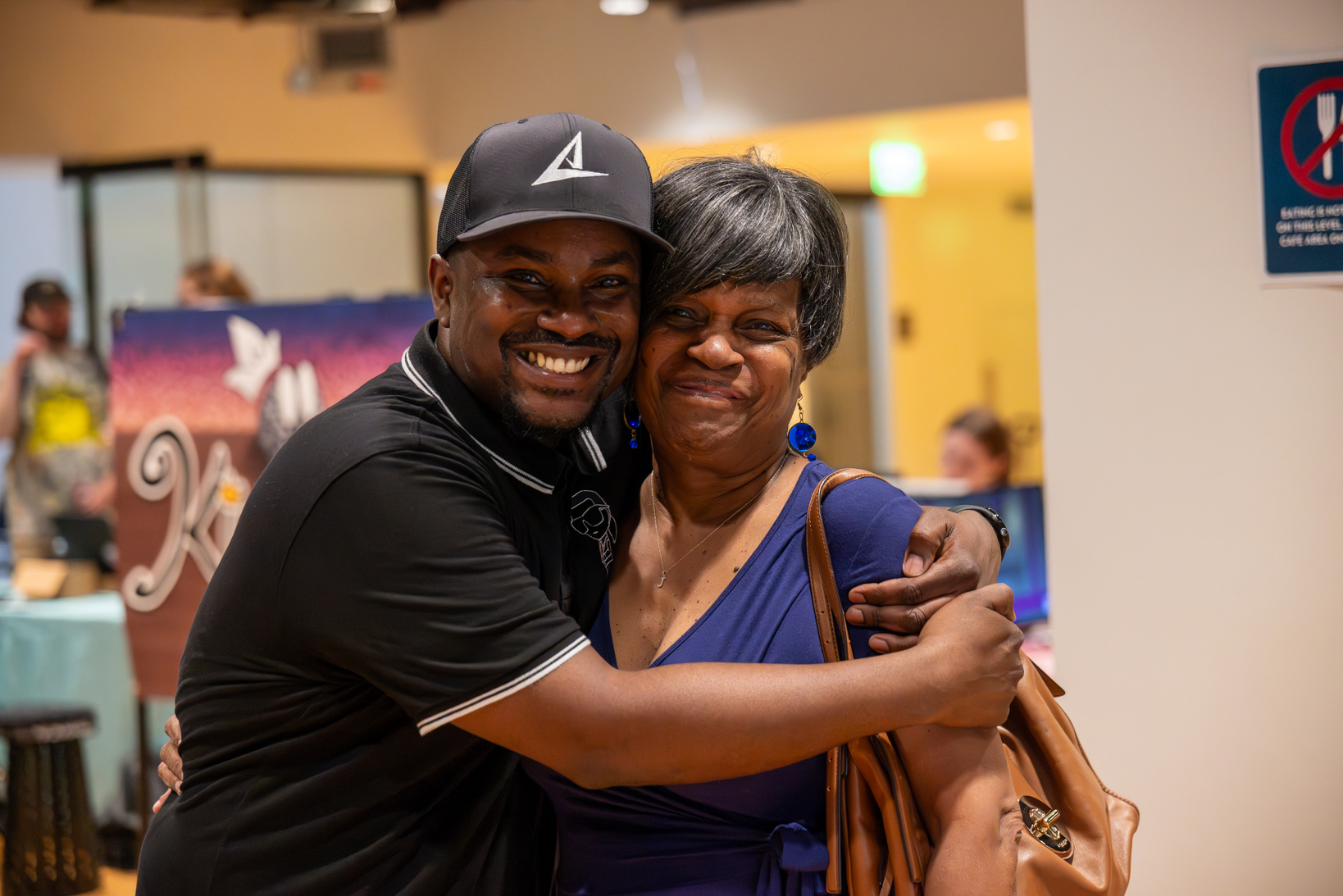
My friends showed up. My college buddies came through. My mom, my aunt and my cousins all showed up, which meant more than I expected it to. And one of the original co-founders of Aura Studios came to see what we’d built. Having the people who believed in this from the beginning standing in that room watching strangers play the game is a feeling that doesn’t have a clean word for it.
What Players Actually Said
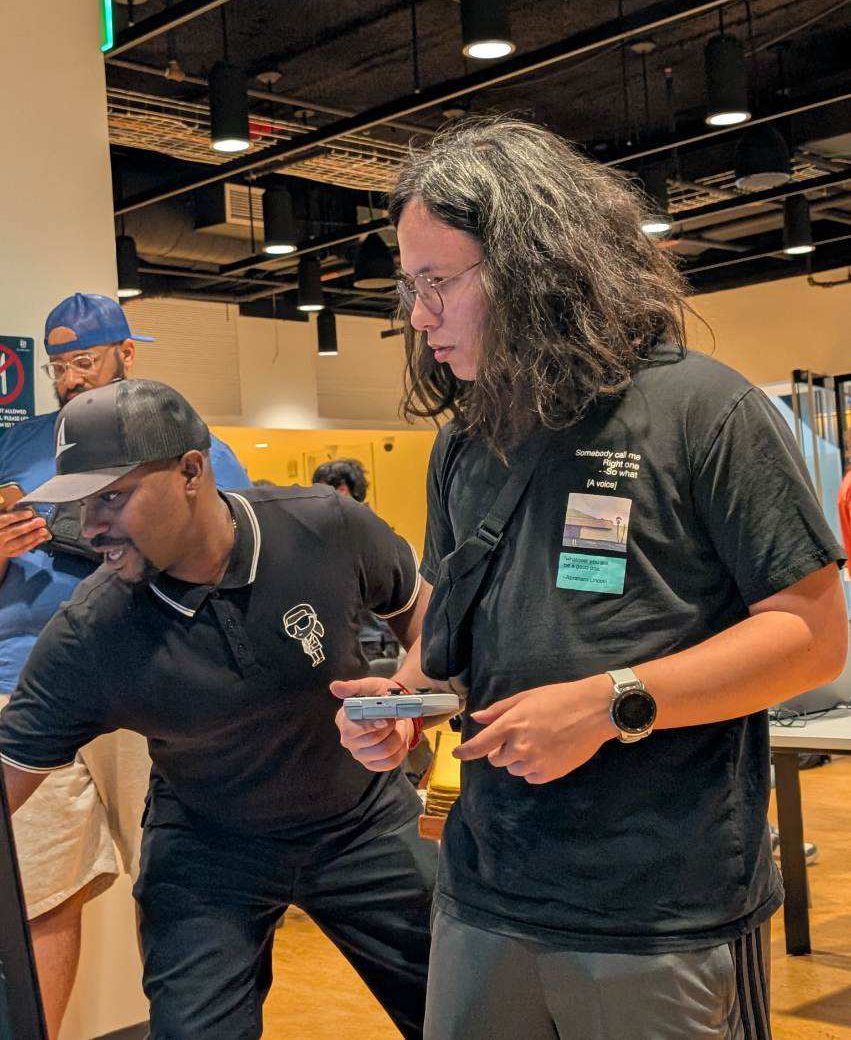
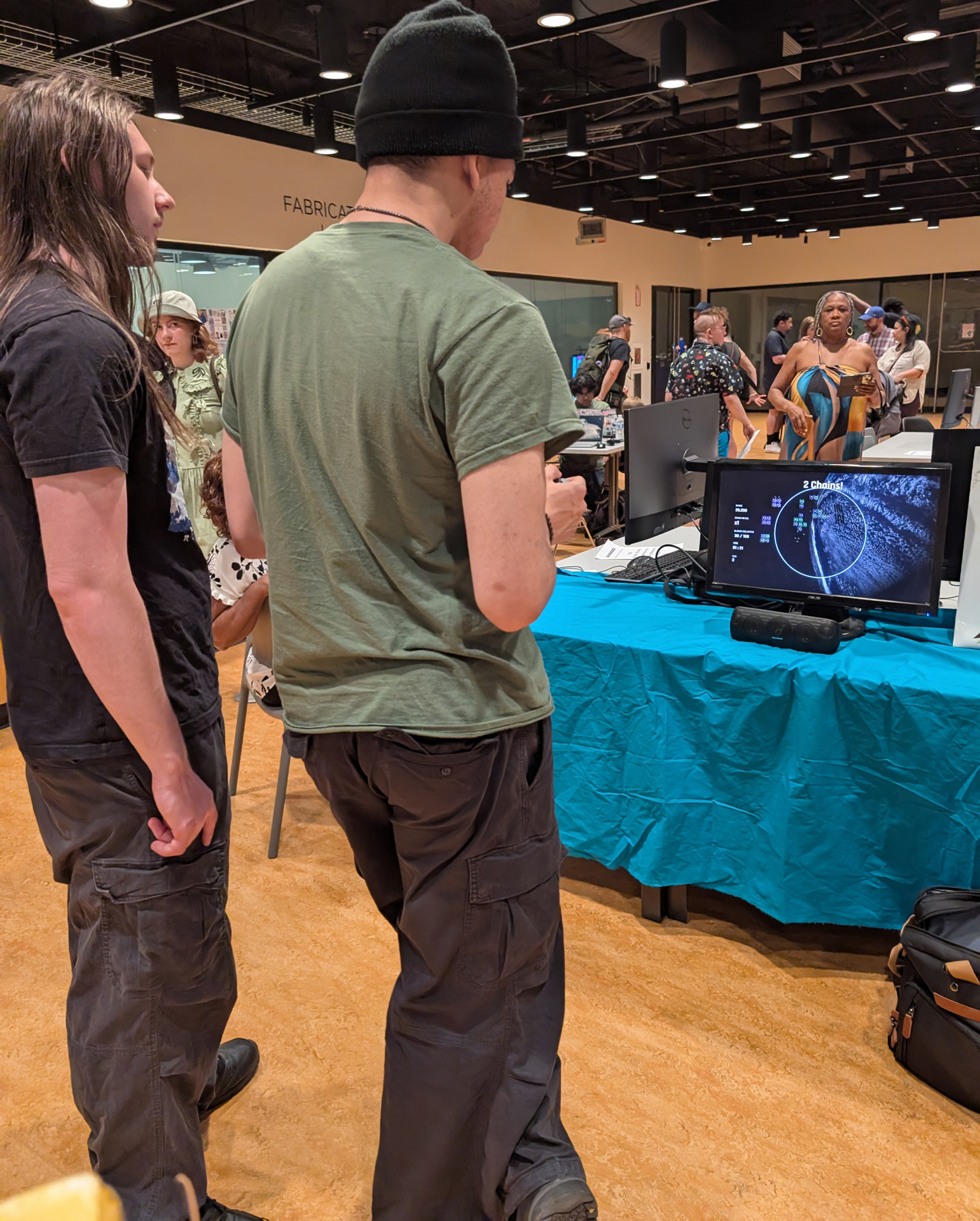
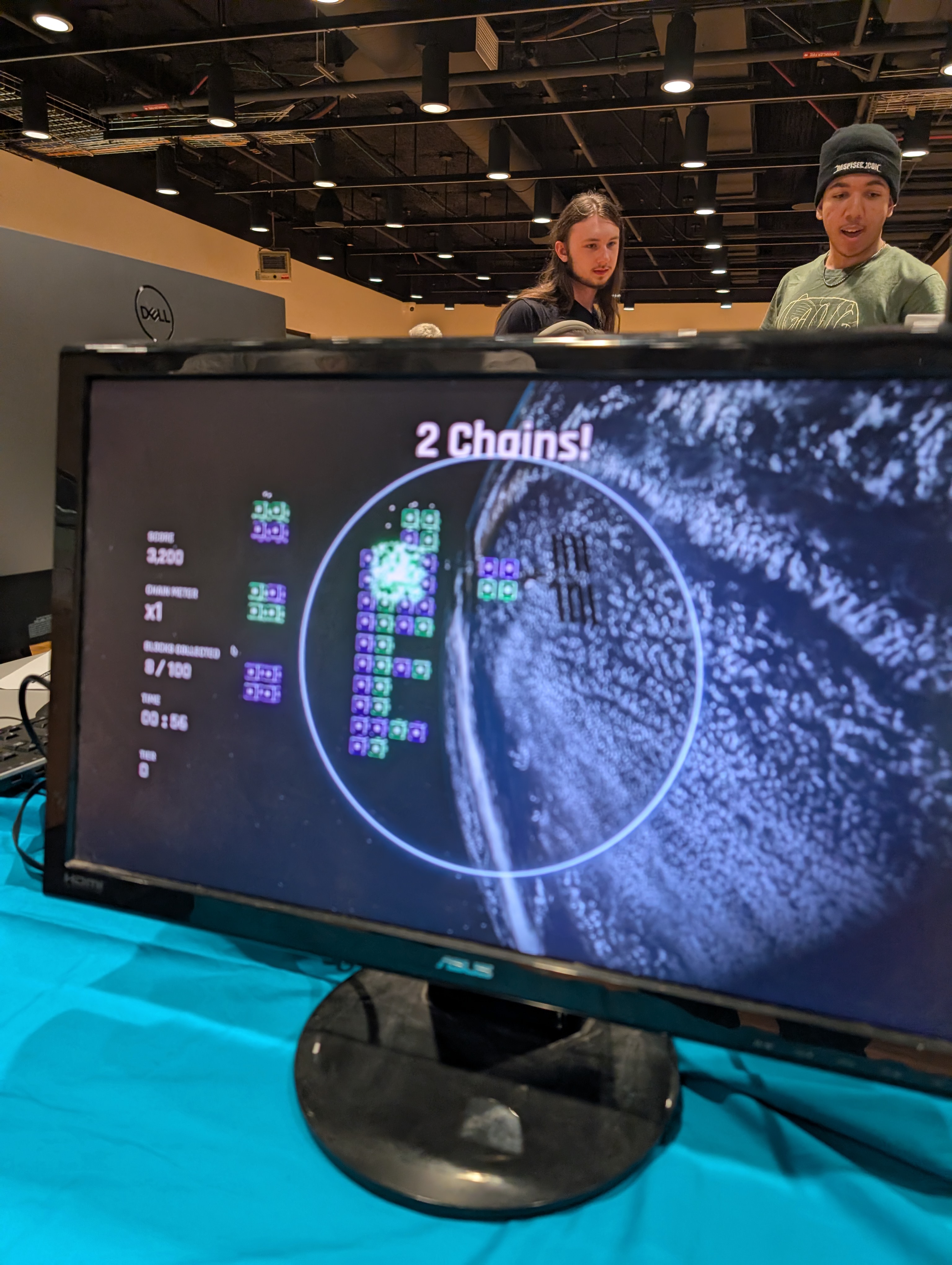
Once people understood the mechanics they loved it. Getting there required explanation every single time — which immediately told me that a proper in-game tutorial is no longer optional before the next event. I was the tutorial on Saturday. That doesn’t scale.
But once the circular board clicked, the reactions were consistent. People liked the aesthetic immediately — multiple players commented on it without being prompted. The visual direction is landing.
One exchange stood out. A player called Aurora Sol “Tetris inside out.” His friend immediately pushed back: “This isn’t Tetris. It has its own mechanics.” That two-line conversation is the best possible outcome when someone makes a comparison — it means the game is familiar enough to reference but distinct enough to defend. I’ll take that every time.
Players specifically called out the ability to enter the board from any of the four corners as something they enjoyed. That’s the core mechanic, the thing that makes Aurora Sol structurally different from every other block puzzle game, and it’s what people noticed and remembered.
Someone pointed out that the music changes when you’re doing well. That’s Konstellation G’s work, the soundtrack Aura Studios has been building Aurora Sol around, and the fact that players picked up on the dynamic audio response without being told about it means it’s working exactly as intended. Music that responds to performance isn’t just an aesthetic choice in Aurora Sol. It’s a design principle.
And then there was the Synesthesia Suit suggestion. For those unfamiliar, the Synesthesia Suit is a full-body haptic suit developed for Rez Infinite, the game by Tetsuya Mizuguchi, the same designer behind Lumines, one of Aurora Sol’s primary creative references. The suit has 26 actuators that vibrate in sync with the game’s music and light up via LED, translating the audio experience into a full-body physical sensation. A player at our booth suggested we look at integrating Aurora Sol with it. Given that Aurora Sol is built around the intersection of music, visual rhythm, and spatial puzzle mechanics, and that VR is already in our development roadmap, that suggestion landed somewhere deep. It’s most definitely going on the list.
The Hard Lessons
I bought a new controller specifically for the event. I did not fully test it before the event. That was a mistake I will not make twice, there were issues during the demo that wouldn’t have existed with a controller I knew. Test everything. Test it in the conditions you’ll actually be using it.
The speaker I brought kept cutting out. People were not hearing Konstellation G’s music the way it deserves to be heard. A game where the dynamic soundtrack is a core feature needs reliable audio. Next time the speaker situation gets sorted before anything else.
These aren’t failures, they’re tuition. Every event has a cost and these were ours. We paid it, we learned it, we move forward.
What “Take My Money” Actually Means
When a stranger plays your game for the first time and their instinct is to reach for their wallet, that’s not a compliment. That’s product-market fit speaking in plain language.
Aurora Sol needs a tutorial. The visual feedback system needs expanding. The controller needs to be tested. The speaker needs to be reliable. These are all fixable, known, solvable problems.
What isn’t so easy to manufacture is a stranger looking at something you built and wanting to own it. We have that. Now we tighten everything up and get to work.
The journey continues. 🪐
Jon-Claude Simms is the founder of Aura Studios and lead engineer on Aurora Sol. He builds in Unreal Engine 5 C++ using JetBrains Rider and writes about game development, studio life, and building in public at aurastudios.online