
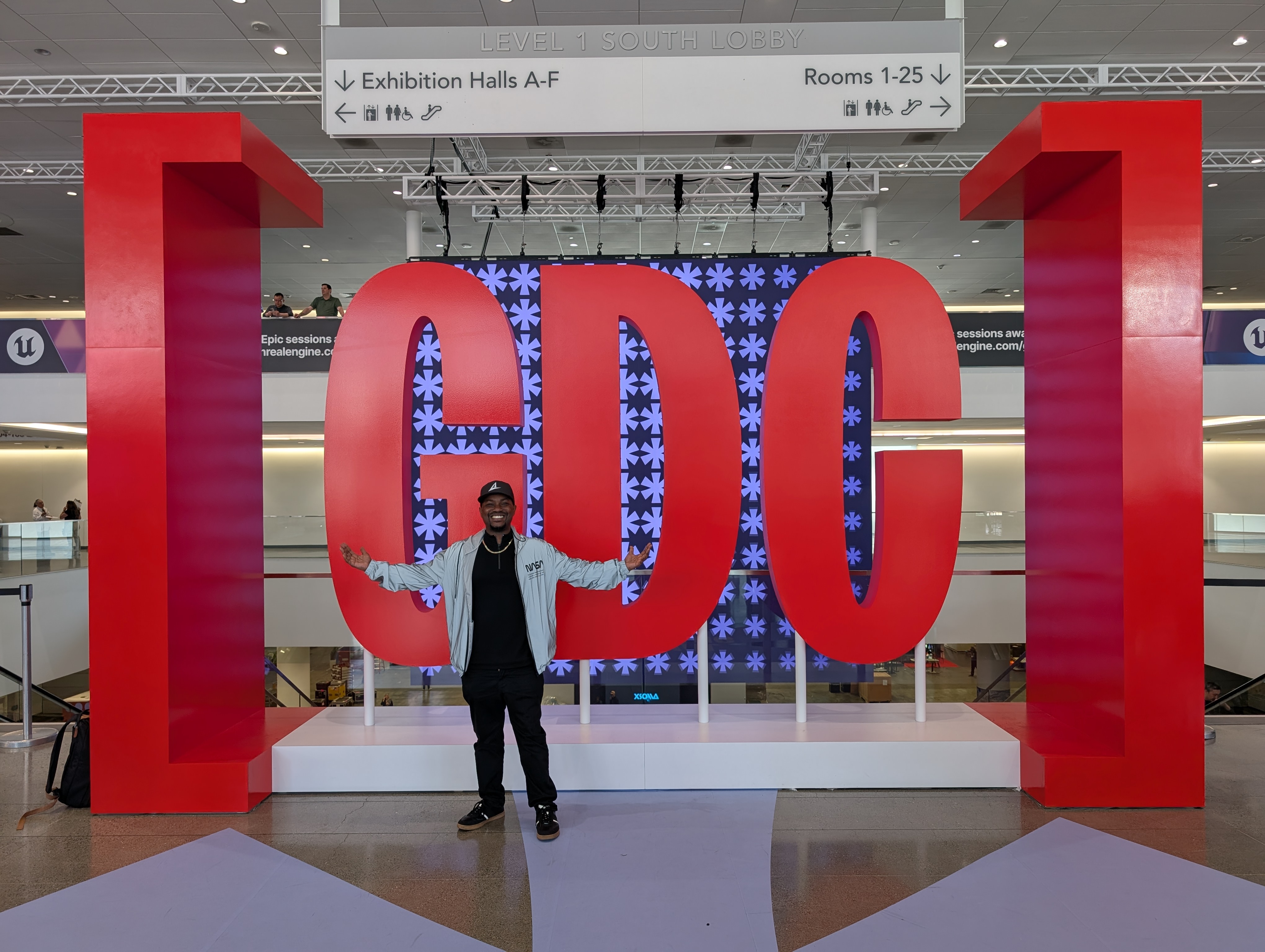
I walked into the Moscone Center in San Francisco with a game in development, a company with 100 followers, and no idea what to expect. I walked out with something I didn’t anticipate: clarity.
GDC 2026 was the first time I attended as a founder rather than just a developer. That distinction matters more than I expected. When you’re there as a founder with something to show, every conversation is different. People ask different questions. You answer differently. You start to understand exactly what your game is — and what it isn’t — by watching how other people react to it.
Here’s what I actually learned.
Being Featured by JetBrains Changed How I Introduced Myself
Early in the week, I found out that JetBrains had featured me in a YouTube Short discussing Rider, WebStorm, PyCharm, and how the JetBrains ecosystem fits into building Aurora Sol in Unreal Engine 5. That single piece of third-party validation changed the texture of every conversation I had afterward.
Not because people necessarily knew the video — most didn’t. But because it gave me a concrete, specific answer to ‘who are you?’ I wasn’t ‘a guy building a game.’ I was ‘a developer that JetBrains featured at GDC for our UE5 workflow.’ Those are two very different first impressions.
Lesson: Third-party credibility doesn’t have to be famous to be valuable. It just has to be specific and real. One feature from a respected brand in your space is worth more than a hundred self-promotional posts.
The Funding Conversations Were More Accessible Than I Expected
I attended several funding and data science panels expecting to be an outsider looking in. What I found instead was a community of people actively looking for the next thing. Publishers and investors at GDC aren’t there to protect their existing portfolio — they’re there specifically because they’re looking.
What they responded to in Aurora Sol wasn’t the technology — it was the intersection. A puzzle game that sits at the cross-section of VR, competitive multiplayer, and educational content about the solar system is a story you can tell in multiple rooms. To a VR publisher, it’s a VR game. To an education-focused fund, it’s edutainment. To a competitive gaming investor, it’s a live-service puzzle game with competitive multiplayer built in .
Lesson: If your game can be described multiple ways to multiple audiences without lying, that’s not dilution of your vision — that’s a funding superpower. Know all the versions of your pitch before you walk in.
Meeting Industry Veterans Is Humbling in the Best Way
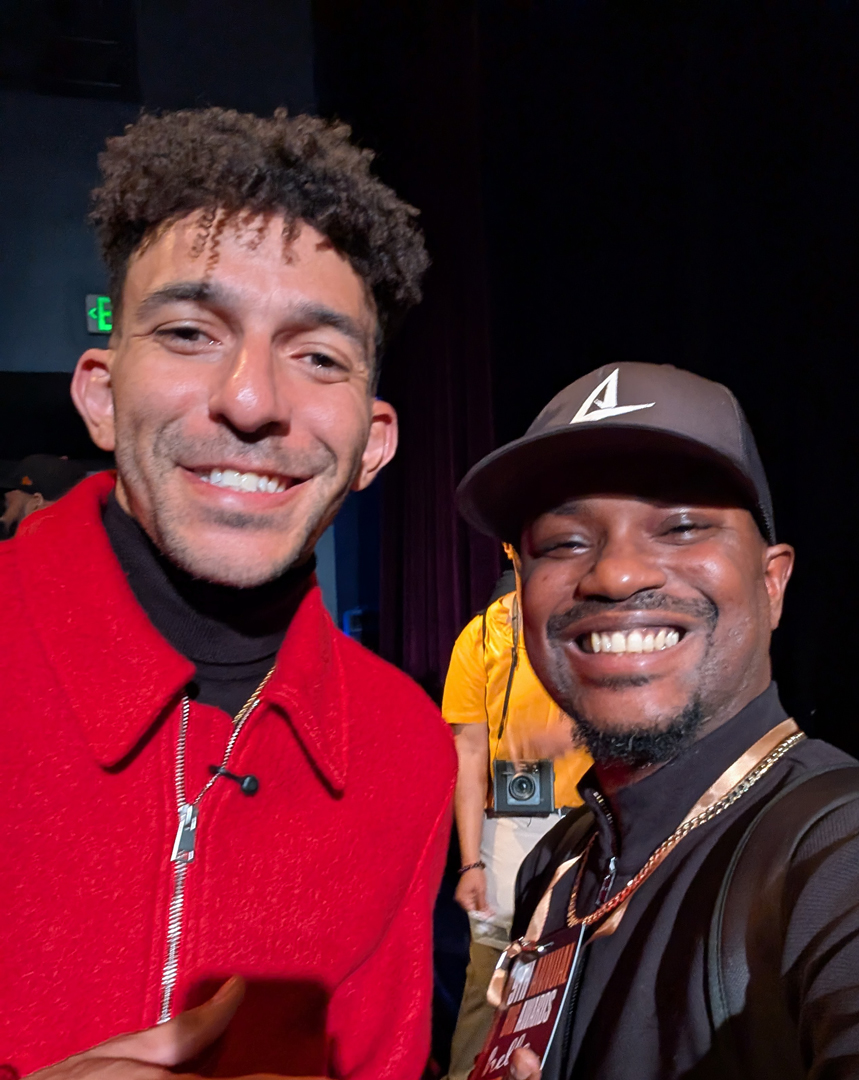
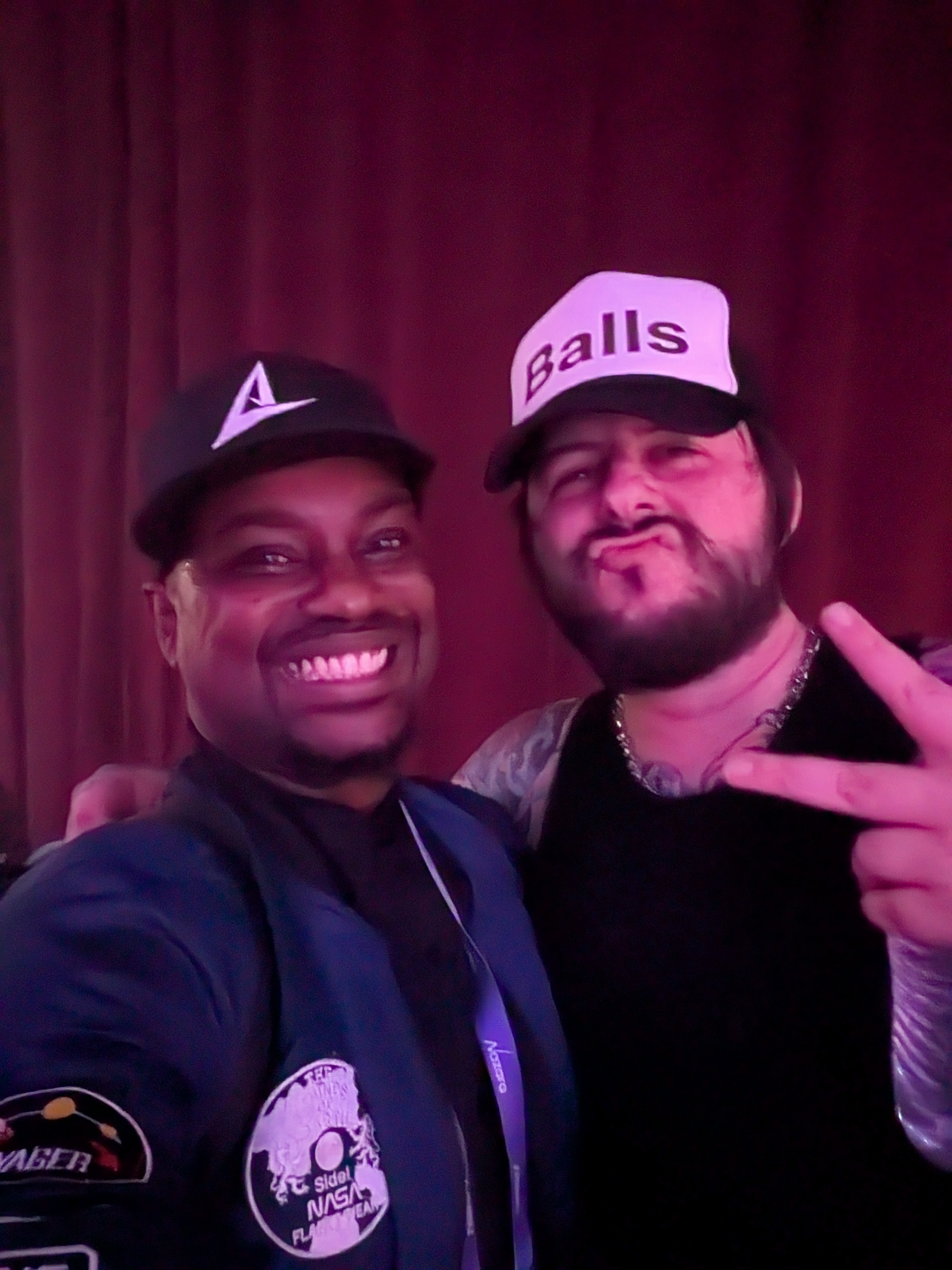
I met Tim Schafer. I met John Graham of HumbleBundle. I attended the BIG Awards. I had a conversation with Tomo Moriwaki. I crossed paths with people I’d admired from a distance for years.
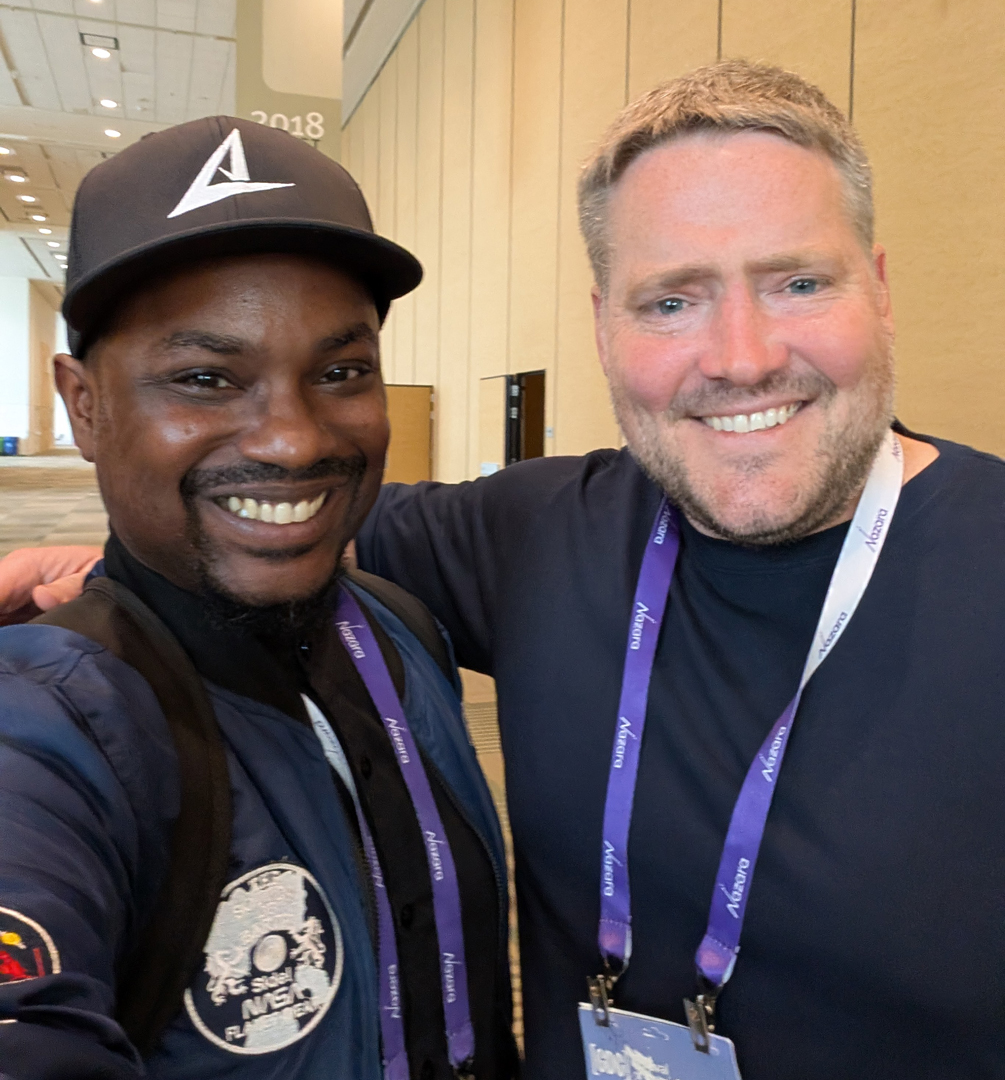
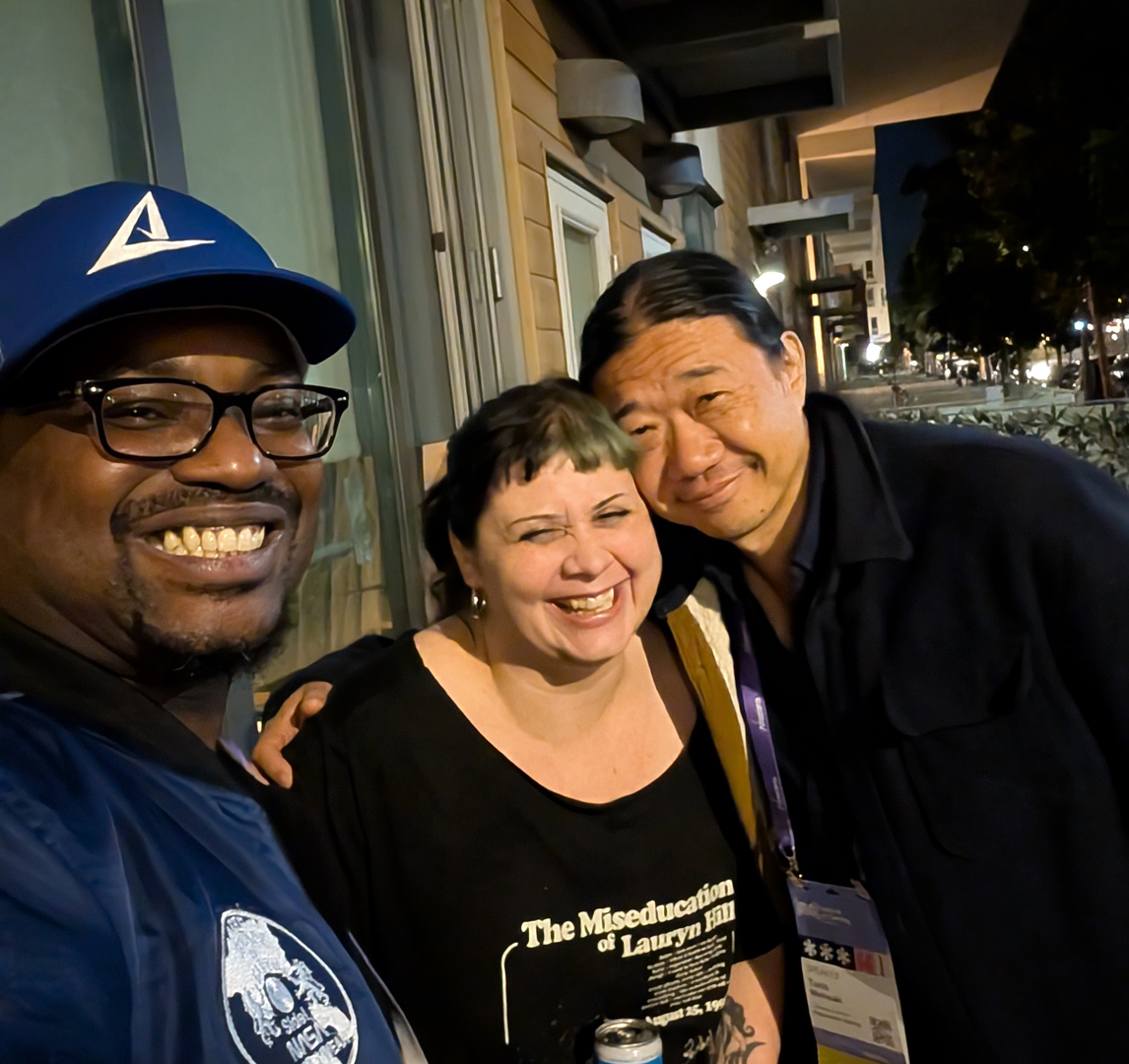
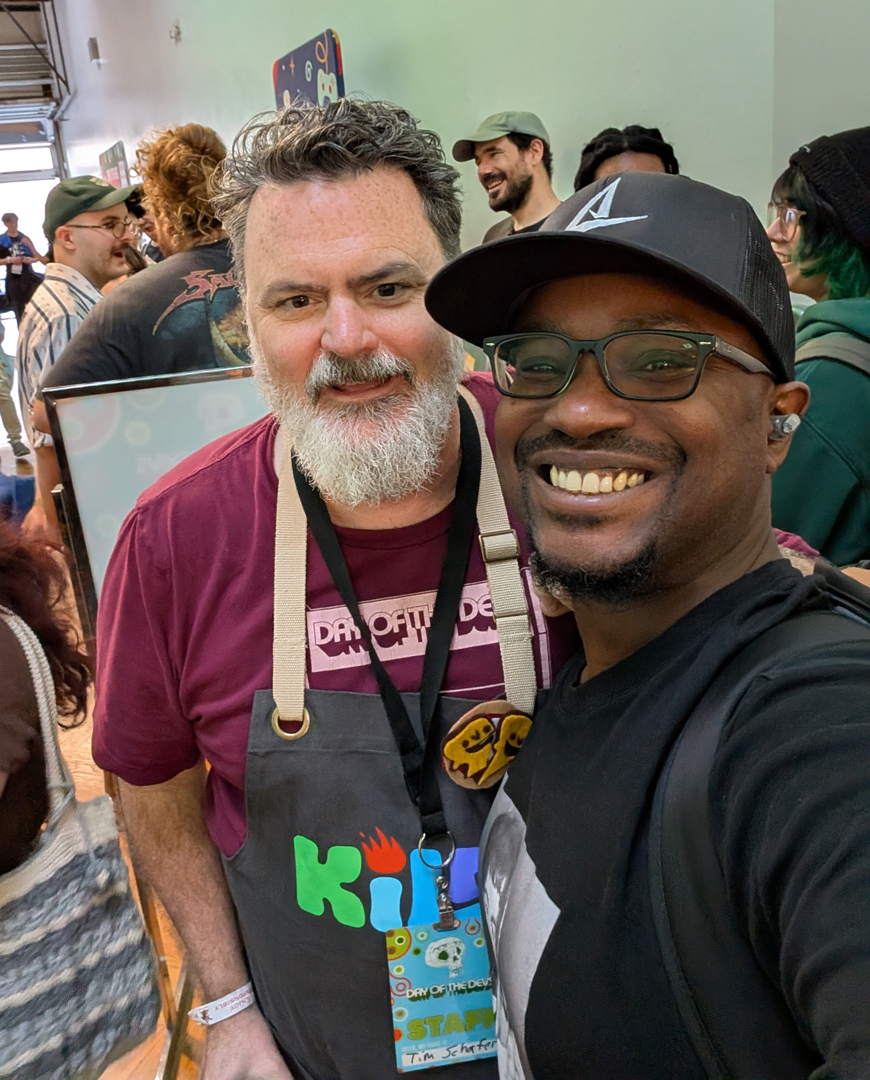
What struck me wasn’t their status — it was their accessibility. GDC is one of the few places in the world where the people who built the industry are standing next to the people who are about to. Nobody is too important to have a conversation. Everyone is there because they love games.
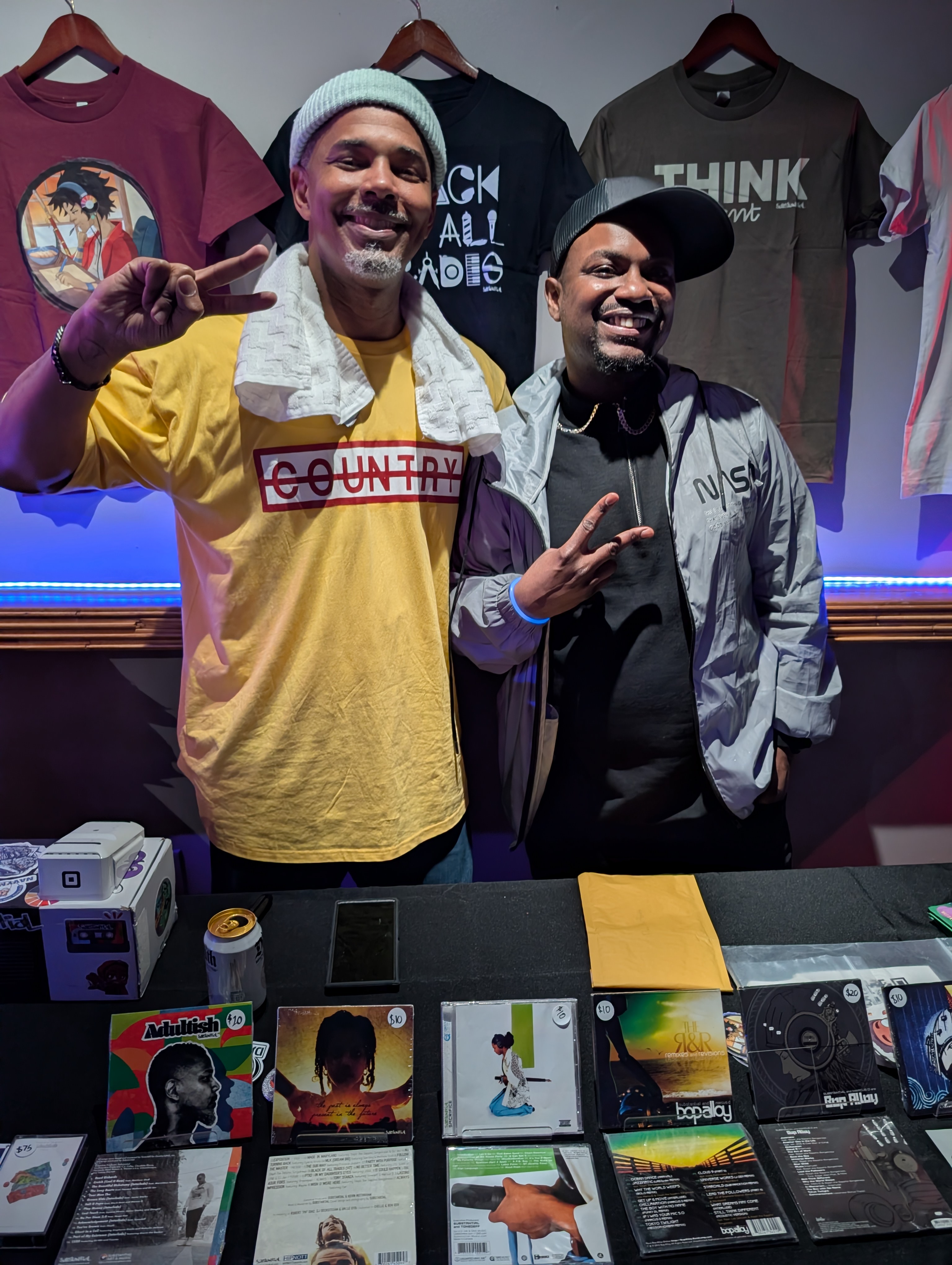
I also ran into Khleo Thomas and rapper Substantial — which tells you something about how far the intersection of gaming and culture has reached. GDC isn’t just a developer conference anymore. It’s a culture event.
The Smallest Studios Had the Most Interesting Stories
The sessions I found most valuable weren’t the keynotes from platform holders. They were the smaller talks from solo developers and micro-studios who had shipped something, learned something, and were honest enough to say what didn’t work.
That honesty is rare in the industry and incredibly valuable. The best GDC talks feel less like presentations and more like confessions — here’s what I tried, here’s what broke, here’s what I’d do differently. Aurora Sol benefits from every one of those sessions.
What Comes Next for Aura Studios
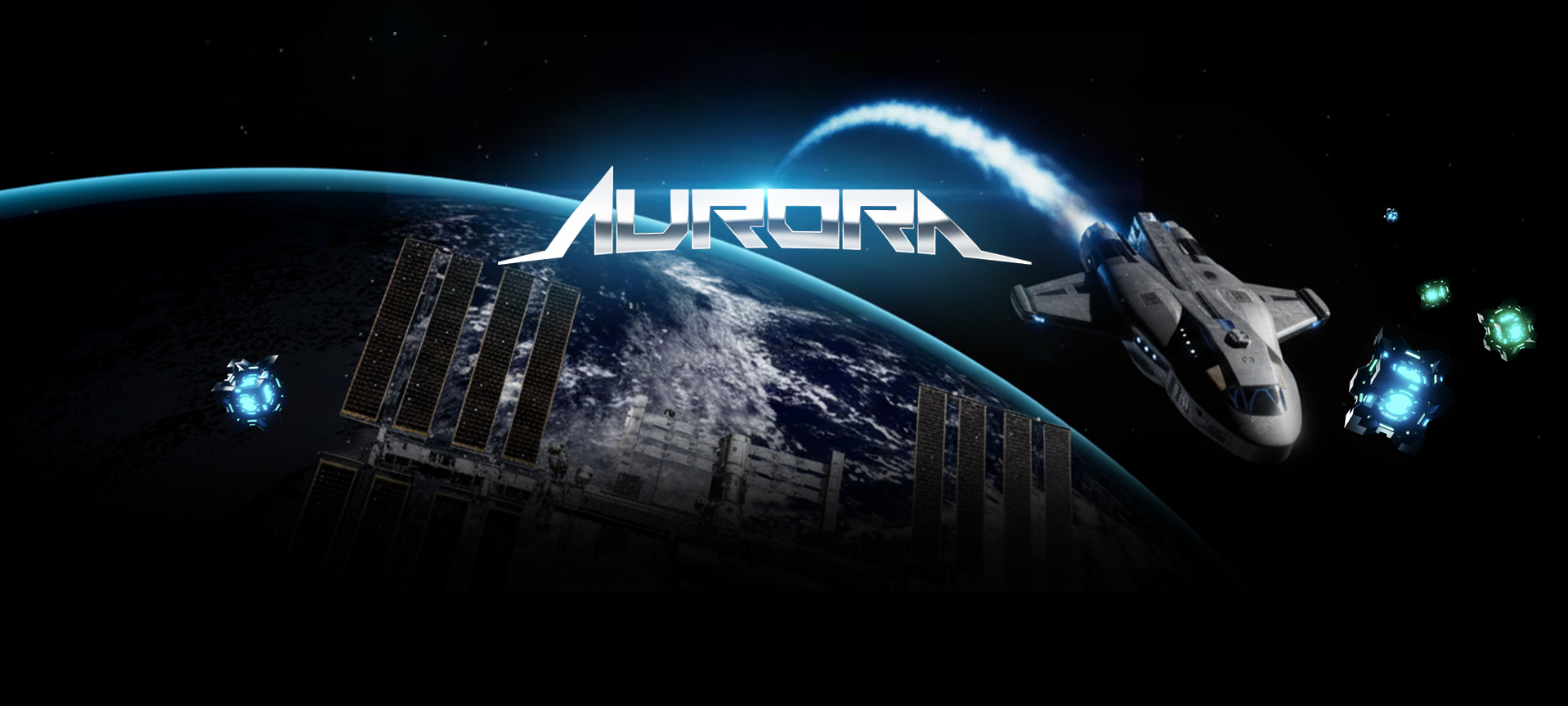
Aurora Sol is in active development. The architecture is production-grade — built in Unreal Engine 5, data-driven and multiplayer-ready from day one. The circular board, the four-entry system, the competitive and cooperative modes — they’re all in the codebase.
We’re applying for various grants. We’re in early conversations with publishers. We’re building the community one follower at a time.
GDC 2026 didn’t give me a deal. It gave me something more durable: a clear picture of exactly where Aurora Sol fits, who it’s for, and what it needs to become. That’s worth more than any single meeting.
If you’re a developer, an investor, or just someone who loves puzzle games — follow along. We’re just getting started.
Jon-Claude Simms is the founder of Aura Studios and lead engineer on Aurora Sol. He builds in Unreal Engine 5 in C++ using JetBrains Rider and writes about game development, studio life, and building in public at aurastudios.online