
Building Steam
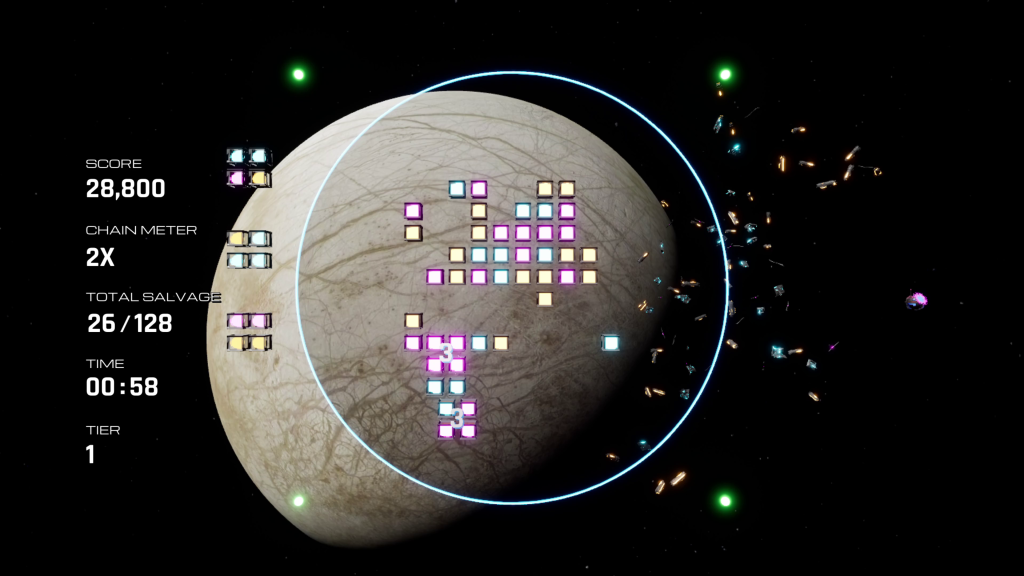
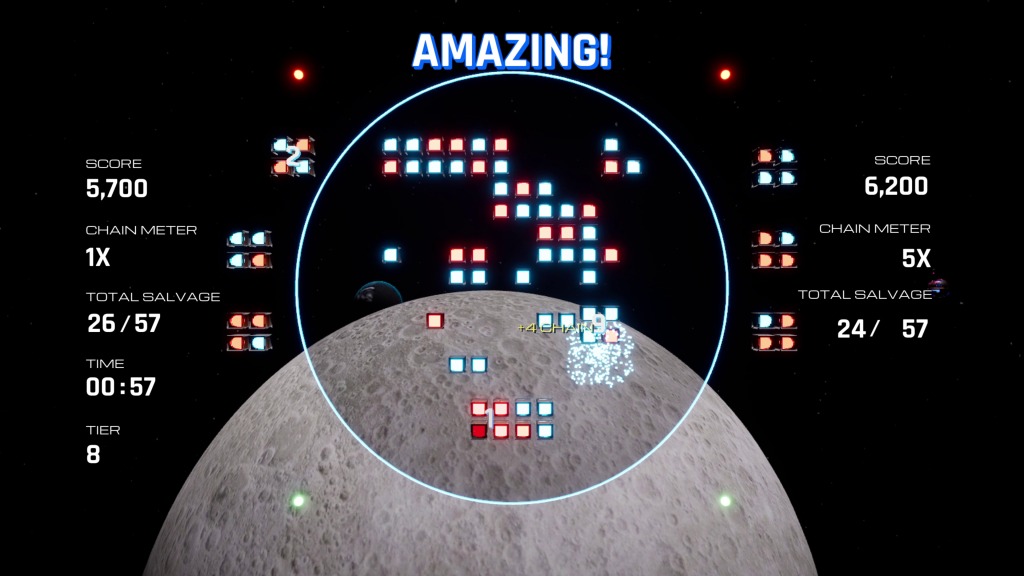
It’s official, Aurora Sol is on Steam! We are very proud of getting our first store page up and running. This has been a long journey, and we can’t wait until we are able to let our baby out in the wild. Wishlist it here.
A Game Fest-ivus for the rest of us
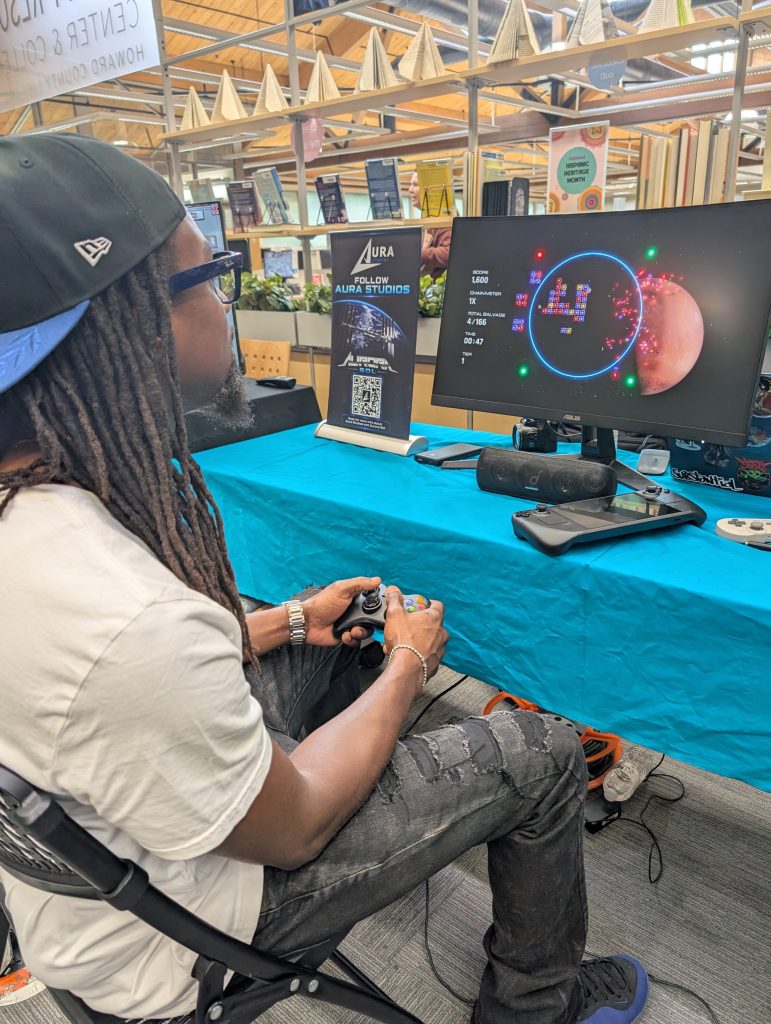
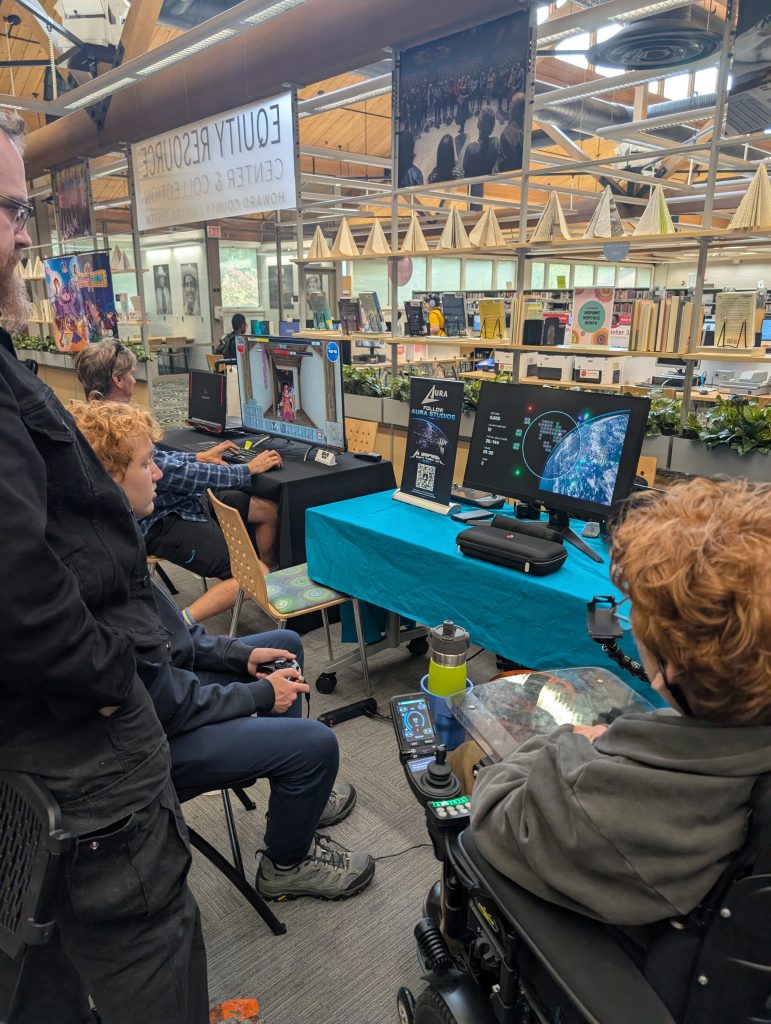
It was quite fortuitous that we had the honor of being one of the featured games at the Game Fest this year. We were able to let a variety of gamers young, old and in between play the game. We unfortunately had a build issue that wasn’t discovered until we set up the game, but luckily we had an old build for the gamers. It didn’t have a lot of the work we put in recently, but the reception was encouraging given they were playing an older build of the game. A surprising moment was when a kid was playing and his mother gave the game a shot. After she lost and they left, she came back 15 minutes later because she just had to try and beat the game. The event featured the Baltimore Gamer Symphony Orchestra (BGSO) playing some classic gaming hits. It also had an excellent panel, where local game devs talked about their experiences in game development and gave us advice about launching Aurora Sol and whether or not we should try to get publishing at this stage of the game. The resounding answer was no. One panelist pointed to the amount of development time already put into the project. Another pointed out how much of a percentage we stand to lose with a publishing deal. While answer was no, we are still open if the right offer comes our way.
Accessibility Rules
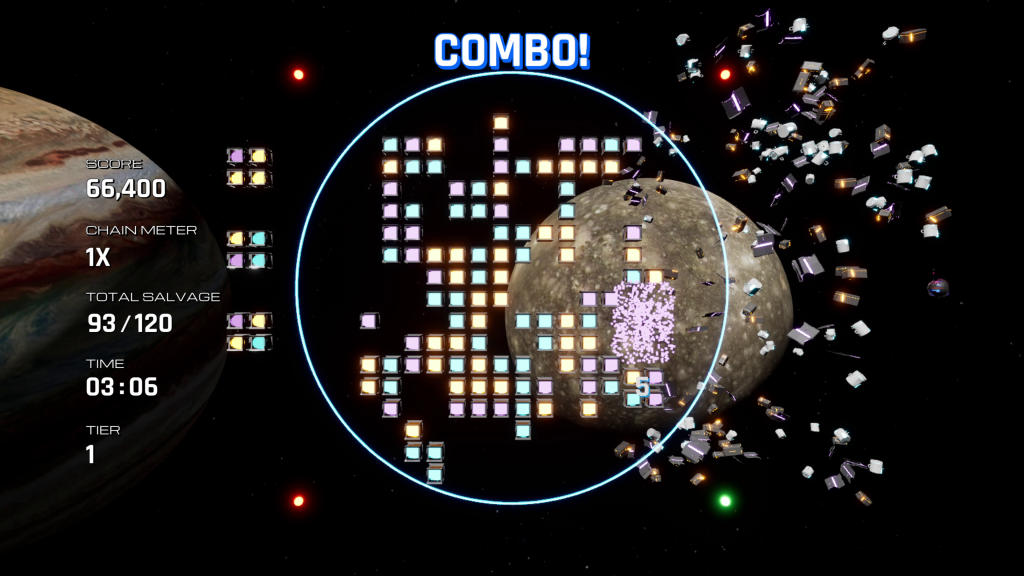
We at Aura Studios enjoy a good challenge and because of that we have created Aurora Sol to share our love of a good challenge to the world. As we have demoed the game at a few events, we realized the importance of creating a game that anyone can play. We decided to create the Sol-like difficulty for people who enjoy a challenge. At Game Fest, a man who was caring for someone with special needs asked whether the timers could be relaxed for people who can’t react quickly. He pointed out how Hades allows him to cut on God Mode, so that everyone can enjoy the game. At that point, we had only ever thought about turning the dial up, but hadn’t considered turning the dial down for those who really just want to enjoy the game, and allow them to play it however they can.
MAGFest disappointments and Validations
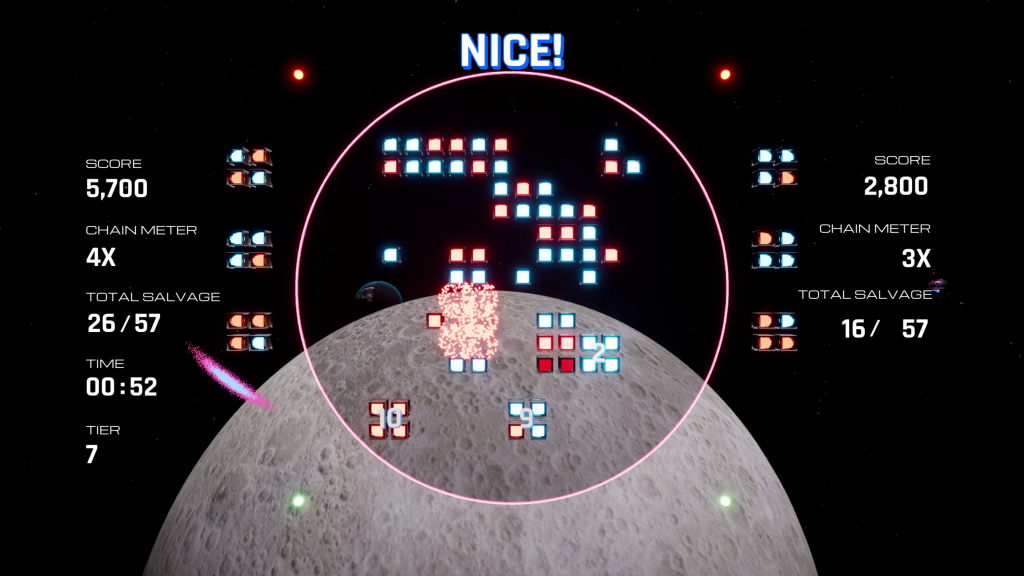
We submitted Aurora Sol to MAGFest because we felt it was the perfect opportunity to get the game in front of many gamers who are hungry to play a local indie game. Unfortunately, we did not get accepted into next year’s MAGFest indie game showcase. While we were disappointed in the results, we were validated by the comments from the judges. They all seemed to like the game, but had a few issues with gameplay and bugs that we had already fixed. The problem was that they were judging an old build of the game. Hearing that lets us know we are on the right track. What we hadn’t addressed and put on a lower priority was the UI of the game. While we knew what each button does, and how they worked, people with fresh eyes would have no clue what is going on. So we spent a week in the lab taking the user interface to the next level. We also added a few additional flourishes such as celestial body information, so we could start to better show off how we plan to educate people about space while playing Aurora Sol.
The Block is Hot
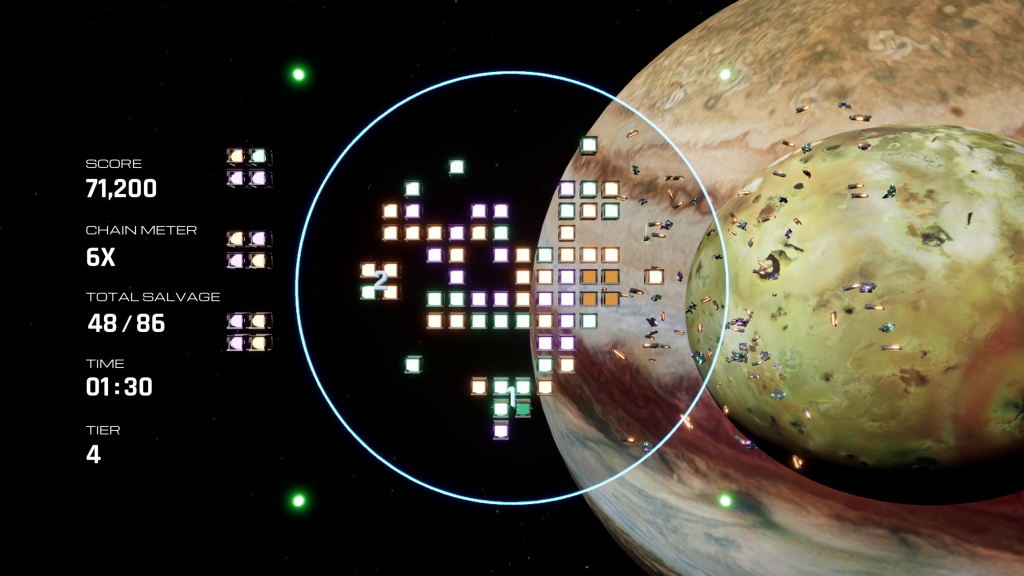
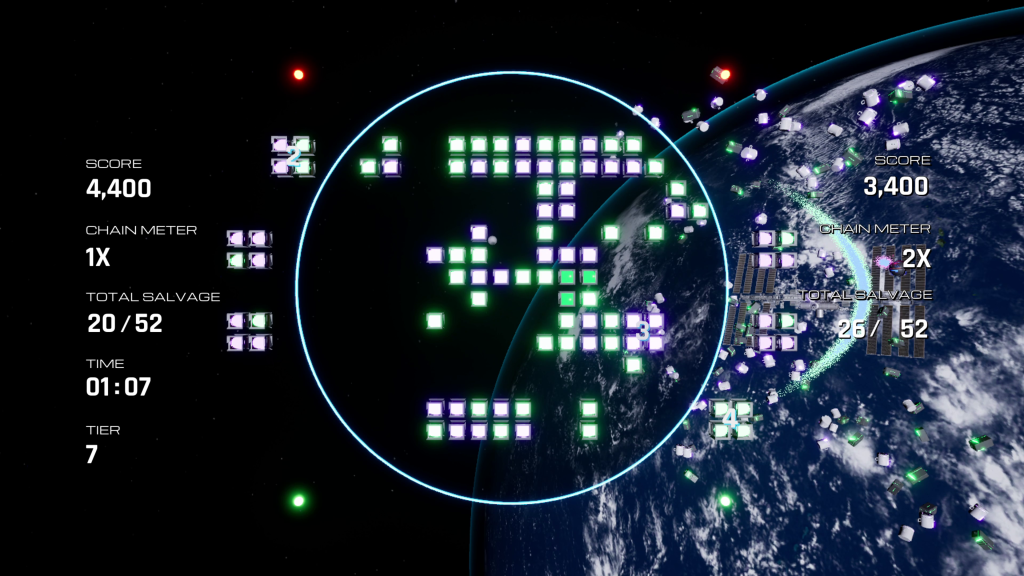
Given real player feedback and internal testing feedback, we have been making strides in various aspects of the game. A core part of our game is movement of the blocks, and if that doesn’t feel right, then everything else falls apart. We spent time optimizing this movement so that it feels more like blocks floating in space. Originally, the blocks would stop and go at every cell, which allows for precision in movement, but had a janky feel about it. Now the blocks move continuously instead of stopping at each cell, but once set by the player it lands smoothly at the exact cell.
We have spent a bit of time taking the Konstellation Engine to the next level. Recently Konstellation G did an assessment of the engine and pointed out a few improvements that needed to be made in order to achieve the synesthesia that we are looking for. He noticed some of the music wasn’t transitioning as cleanly as he expected them to. The synesthesia that we have been seeking with our game comes with a synergy between what the player is doing and the music that they are hearing. After more consultation, we realized that the balance wasn’t quite right, the gameplay controlled the music, but because of that, the music didn’t sound as Konstellation G originally intended. We have been able to improve that synergy and we plan to take the engine to the next level as we continue refining and optimizing.
Lighting is a huge aspect in any type of visual medium, and with our game we spent a lot of time enhancing the lighting in the game. This is an ongoing process that requires precision, but also just a gut feeling that what we are presenting looks good for the players. We want our game to play on a variety of platforms, from lower-end hardware, to the Meta Quest, to the Steam Deck and beyond. In order to do that, we had to turn off a lot of features such as Lumen and Nanite in Unreal. Those features give you easy wins in terms of lighting, but you pay for it with performance. When it comes to games, looks are as subjective as they come. Not everyone agrees on what looks bad, but they usually agree on what looks good and that is the sweet spot we are aiming for.
Not in the Next Fest, but still what’s next
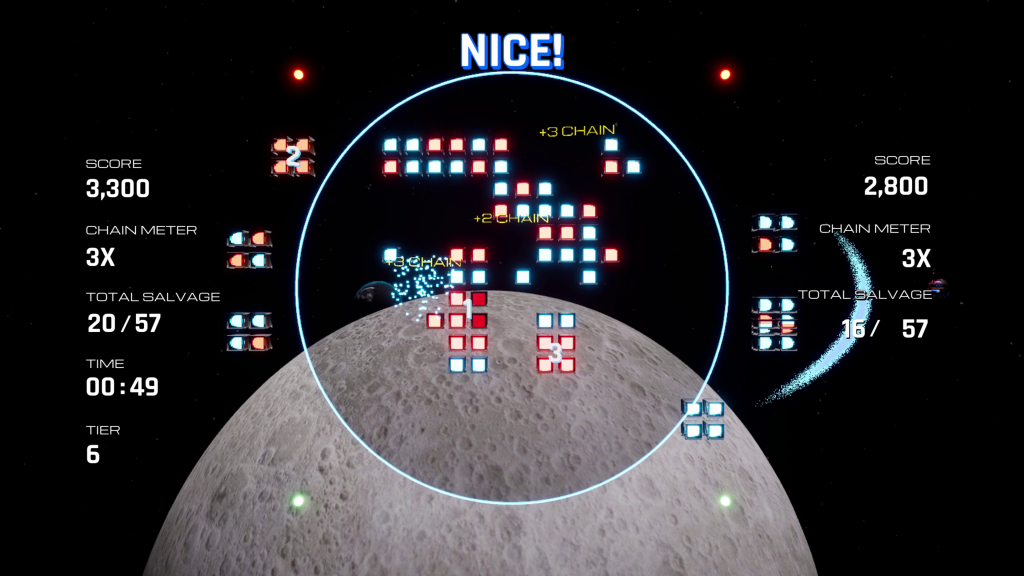
While we couldn’t get into the upcoming Next Fest because our store wasn’t up, we feel Aurora Sol is what is next. We will have our demo releasing very soon to get people’s feedback and get the excitement going for our game. In the meantime wishlist us and follow the journey!