
It’s been a while since we last reached out to give updates on our game’s progress. We have been hard at work trying to make the best game possible. From VR, to multiplayer, to just general quality of life features, the foundation has been laid so we can take things to the next level for the upcoming months until we do an Early Release.
Multiplayer foundation created
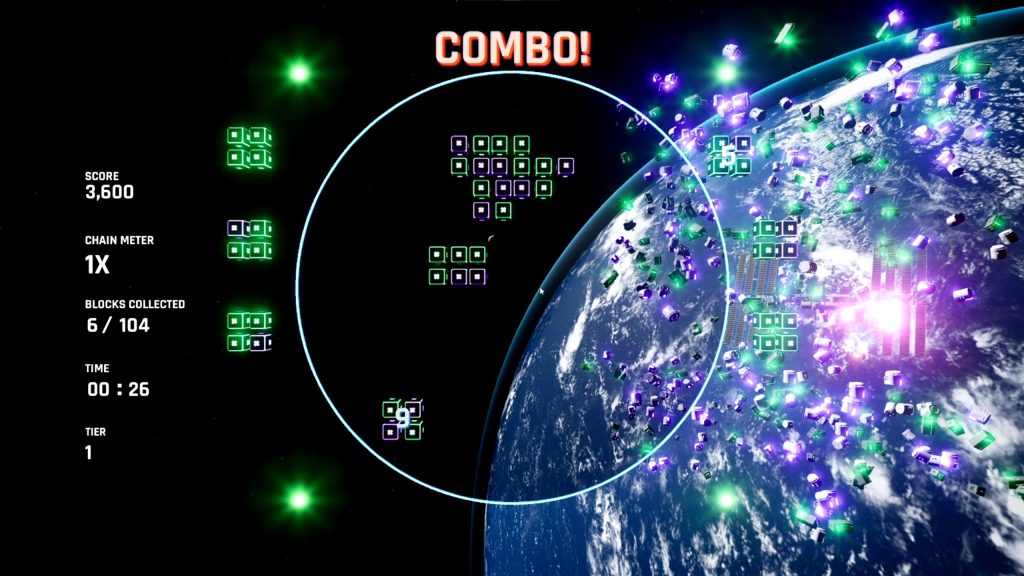
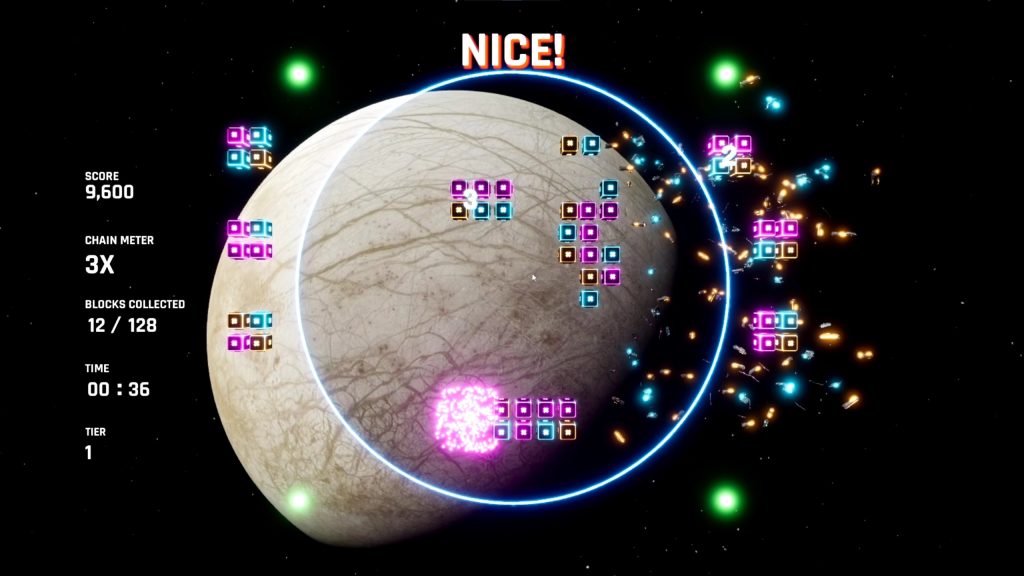
A goal that has always been on the game’s roadmap has been multiplayer. While we love single-player games here at Aura Studios, most modern puzzle games have a multiplayer component and having that just expands the replayability of Aurora Sol. Before adding that to our game, we wanted to make sure the base gameplay was as solid as possible. As we have had our public demos at the Play at the Library and Cherry Blossom Festival and have gotten feedback and validation on what we have already created, we decided it was time enough to integrate multiplayer gameplay. While we have had many different gameplay modes in mind, we decided the first iteration of multiplayer will be on a shared board. In our world, you are a space salvager, but you are not the only one. And like many other businesses, there will always be competition. To determine who’s the best, companies run ‘Salvage Battles. Our multiplayer game represents those “Salvage Battle” competitions. We plan to expand this in many exciting ways once we get feedback from players on what we have currently built. We are really excited to roll this feature out and hear what people think.
Gaining a Deck of Steam
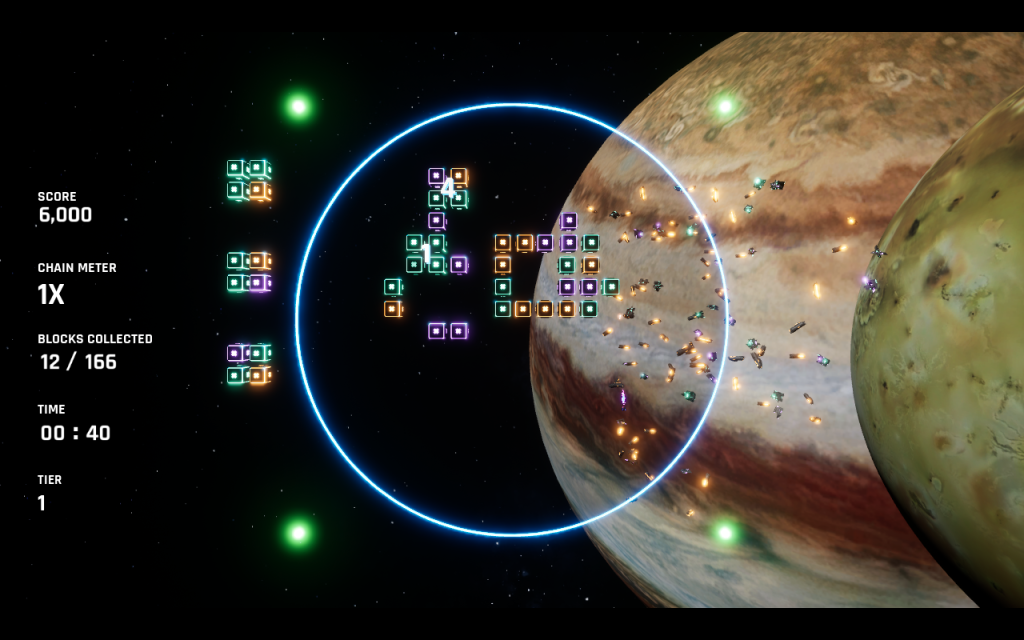
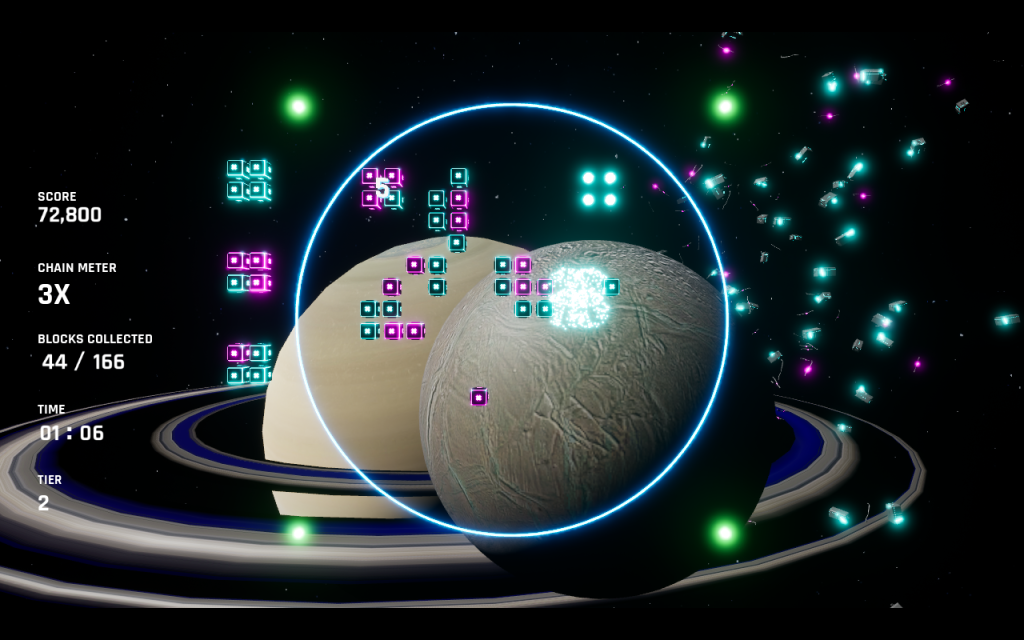
We were able to accomplish a very important milestone by getting the game to work with a Steam Deck. While our next step is officially adding our game on Steam, having it work on the Steam Deck is a huge step in that direction. The work done with performance paid dividends when it came to putting Aurora Sol on the Steam Deck. The game runs extremely well, and the more we’ve played it, the more Aurora Sol feels right at home held in the palm of your hands. We are extremely excited about what we have in store.
Making the Quality of Life Work
At Aura Studios we don’t believe in a Work/Life balance. We believe in a Life/Work balance. The quality of life should always be a priority whenever possible. So while our base game has been constantly worked on to make it as fun as possible, we have not spent as much effort making sure the entire experience has been given that same treatment. So recently we have spent time working on the game from the very first screen up until the game over screen. In order to prepare for release, we want to make sure every aspect of the game has been given all of the proper TLC it needs. Since we’re making our game for VR as well, that means double the effort. Not only making the game work on flat-screen TVs, but also in VR. Doing that has been a very challenging and at the same time rewarding task.
Performing for the masses
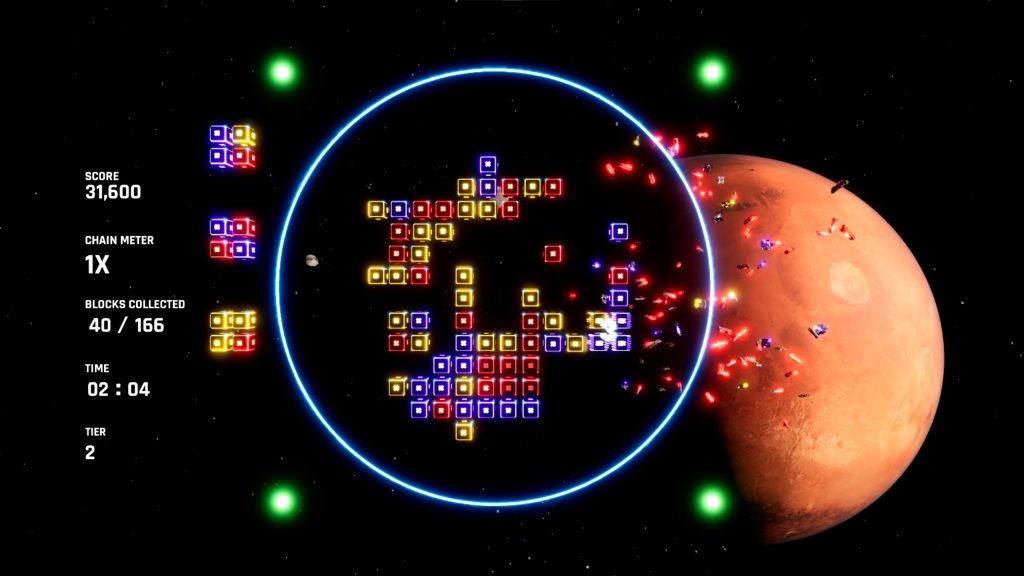
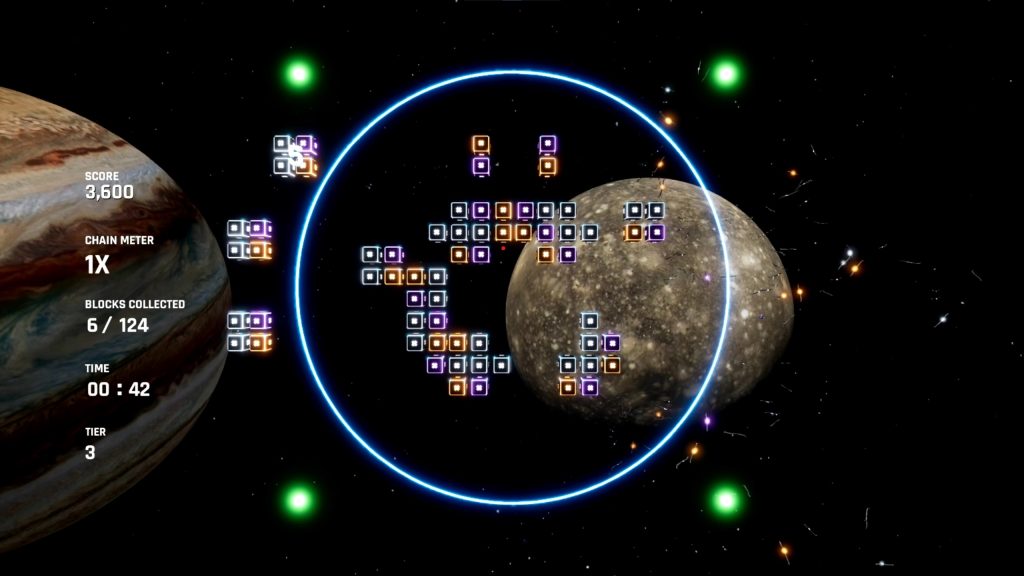
Now that we are coming closer and closer to releasing the game for public consumption, we have started really working on optimizing performance across the board. Even though the game is being developed in the Unreal 5 engine, that doesn’t mean we can skip the work of making the game playable on as many devices as possible. We want anyone with a computer or a VR headset to enjoy our wonderful Solar System and the world of Aurora Sol. Performance optimizations mean that we have been working through each level, asset, and coding script to make the game as performant as possible. This is an ongoing process that we hope to improve and perfect over not only the course of Aurora Sol, but across every project that our team works on.
Experience Our Solar System in VR
When we originally started work on Aurora Sol many years ago, VR was a nascent technology and not even on our radar. But as the technology became more mature, we decided to give it a shot. As soon as we tested the game in VR, we knew there was no way we could build the game without a VR experience. Space hits differently when you are immersed in it, and it was our duty to share that experience with as many gamers as possible. This sounds good on paper, but in practice making a game VR worthy is as difficult as it sounds.
Simple things like menus become a lot less simple when you are working in a VR space. Not only are menus a problem, but performance is much more of a concern when you are accounting for displaying visuals on two screens. This forces you to make decisions about what is important to show on the screen. It also raises the question of how to show something well once you’ve had to lower its quality just to keep the game running. The greatest benefit of a lot of these activities is that if we can make the game work on a Meta Quest, then it can work on lots of different devices.